 An article by Sandra Blakeslee describes FTD, or frontotemporal dementia, through which some patients have become gifted in landscape design, piano playing, painting and other creative arts as their disease progressed. The composer Ravel composed “Bolero” in 1928, when he was 53 and began showing signs of this illness with spelling errors in musical scores and letters. The structure and repetition of this musical piece is mirrored by the graphic shown here, an image of a migraine by Anne Adams,a bench scientist with FTD who became drawn to structure and repetition. Enhanced artistic abilities arise when frontal brain areas decline and posterior regions take over. Injury or disintegration of dominant inhibitory frontal cricuits appears to release or disinhibit activity in other areas. The result of compromising one part of the brain can be to induce other parts to remodel and become stronger.
Wednesday, April 16, 2008
Release of creativity by frontotemporal dementia
An article by Sandra Blakeslee describes FTD, or frontotemporal dementia, through which some patients have become gifted in landscape design, piano playing, painting and other creative arts as their disease progressed. The composer Ravel composed “Bolero” in 1928, when he was 53 and began showing signs of this illness with spelling errors in musical scores and letters. The structure and repetition of this musical piece is mirrored by the graphic shown here, an image of a migraine by Anne Adams,a bench scientist with FTD who became drawn to structure and repetition. Enhanced artistic abilities arise when frontal brain areas decline and posterior regions take over. Injury or disintegration of dominant inhibitory frontal cricuits appears to release or disinhibit activity in other areas. The result of compromising one part of the brain can be to induce other parts to remodel and become stronger.
Emotion enhancing learning and memory - a mechanism
Emotion enhances our ability to form vivid memories of even trivial events. Eric Nestler points to a study by Hu et al. that links this behavioral outcome to its molecular cause. They
...elucidated a molecular mechanism by which emotional stress and arousal promote long-term memory formation. In doing so, they brought together two well-characterized phenomena: that noradrenaline stimulates memory formation in the brain's hippocampus, and that the trPublish Postafficking of a type of glutamate receptor is important for a form of plasticity in the same brain region.
Malinow's team shows that, by stimulating noradrenaline release in the hippocampus, emotional stress leads to phosphorylation of glutamate receptors. This boosts the incorporation of these receptors at the synapse — the junction between nerve cells — which, in turn, enhances synaptic function and improves memory formation. Crucially, mice with a mutation that prevents phosphorylation of the relevant part of the glutamate receptor do not show noradrenaline-mediated memory enhancement.
Impressively, this study begins with a clinically important phenomenon — memory enhancement by emotional stress — and establishes a detailed biological pathway that underlies a behavioural endpoint in an animal model.
Tuesday, April 15, 2008
Negligent mouse moms - a model for humans?
 From the laboratory of my Univ. of Wisconsin Zoology colleague Steve Gammie, along with Anthony Auger in the Psychology Department, an interesting account of a mouse model for human maternal neglect: a strain of mice that exhibit unusually high rates of maternal neglect, with approximately one out of every five females failing to care for her offspring. By comparing the good mothers to their less attentive relatives, this group has found that negligent parenting seems to have both genetic and non-genetic influences, and may be linked to dysregulation of the brain signaling chemical dopamine. In more detail, they:
...examined brain activity in neglectful and nurturing mice. c-Fos expression was significantly elevated in neglectful relative to nurturing mothers in the CNS, particularly within dopamine associated areas, such as the zona incerta (ZI), ventral tegmental area (VTA), and nucleus accumbens. Phosphorylated tyrosine hydroxylase (a marker for dopamine production) was significantly elevated in ZI and higher in VTA (although not significantly) in neglectful mice. Tyrosine hydroxylase levels were unaltered, suggesting a dysregulation of dopamine activity rather than cell number. Phosphorylation of DARPP-32, a marker for dopamine D1-like receptor activation, was elevated within nucleus accumbens and caudate-putamen in neglectful versus nurturing dams.
Enhancing our memories with brain implants.
Here are some interesting speculations by Gary Marcus on enhancing our memory - possibly through the use of computer chips as brain implants which combine cue-driven promptings similar to human memory with the location-addressability of computers. He does a nice job of distinguishing the differences in memory storage between our brains and computers.
Monday, April 14, 2008
Language evolution and the arcuate fasciculus
Did language evolve gradually via communication precursors in the primate lineage or did it arise spontaneously through a fortuitous confluence of neuroanatomical changes that are found only in humans? Rilling et al., reviewed by Ghazanfar, have used diffusion-tensor imaging to track putative differences in white matter connectivity between the frontal and temporal lobes, a pathway that is essential for language, by comparing humans, chimpanzees and macaque monkeys. They focused on the arcuate fasciculus,the fiber tract connecting the temporal to the frontal lobes in humans, which is essential for language in humans. Lesions to this pathway result in conduction aphasia, in which, among other deficits, patients can comprehend speech, but cannot repeat what was said. Rilling et al found that the organization of cortical terminations between the temporal and frontal lobes was strongly modified in the course of human evolution, and, crucially, this modification was gradual. They also noted a prominent temporal lobe projection of the human arcuate fasciculus that is much smaller or absent in nonhuman primates. This human specialization may be relevant to the evolution of language.

Figure from the News and Views summary by Ghazanfar (click to enlarge) - Chimpanzees are phylogenetically between macaques and humans in the primate lineage, and the similarly 'in between' pattern of their arcuate pathway terminations strongly suggest a gradual evolution of this pathway.(a) Changing patterns of connections between frontal cortical areas and the temporal lobe in humans, chimpanzees and macaque monkeys. AS, arcuate sulcus; CS, central sulcus; IFS, inferior frontal sulcus; IPS, intraparietal sulcus; PS, principal sulcus; PrCS, precentral sulcus; STS, superior temporal sulcus. (b) The voice area in the rhesus macaque relative to other auditory cortical areas and where the voice area would be if it were in a similar location as the human voice area. LS, lateral sulcus; IOS, inferior occipital sulcus; STS, superior temporal sulcus; other labels refer to cytoarchitectonic areal designations. The lateral sulcus is cut open to reveal the superior temporal plane. In this plane, the core region is thought to contain 'primary-like' areas, responding best to pure tones, whereas the surrounding belt areas are more responsive to complex sounds. The voice area in macaques is anterior to the core and belt regions. INS, insula; IT, inferotemporal cortex; Tpt, temporoparietal area.

Figure from the News and Views summary by Ghazanfar (click to enlarge) - Chimpanzees are phylogenetically between macaques and humans in the primate lineage, and the similarly 'in between' pattern of their arcuate pathway terminations strongly suggest a gradual evolution of this pathway.(a) Changing patterns of connections between frontal cortical areas and the temporal lobe in humans, chimpanzees and macaque monkeys. AS, arcuate sulcus; CS, central sulcus; IFS, inferior frontal sulcus; IPS, intraparietal sulcus; PS, principal sulcus; PrCS, precentral sulcus; STS, superior temporal sulcus. (b) The voice area in the rhesus macaque relative to other auditory cortical areas and where the voice area would be if it were in a similar location as the human voice area. LS, lateral sulcus; IOS, inferior occipital sulcus; STS, superior temporal sulcus; other labels refer to cytoarchitectonic areal designations. The lateral sulcus is cut open to reveal the superior temporal plane. In this plane, the core region is thought to contain 'primary-like' areas, responding best to pure tones, whereas the surrounding belt areas are more responsive to complex sounds. The voice area in macaques is anterior to the core and belt regions. INS, insula; IT, inferotemporal cortex; Tpt, temporoparietal area.
Neuroenhancement - continued....
Nature magazine continues its coverage of reactions to an December article on cognitive-enhancing drugs. Here is the PDF of a summary.
Friday, April 11, 2008
Light deprivation damages neurons and causes depression
Experiments from Gonzalez and Aston-Jones on how light deprivation damages monoamine neurons and produces a depressive behavioral phenotype in rats:
Light is an important environmental factor for regulation of mood. There is a high frequency of seasonal affective disorder in high latitudes where light exposure is limited, and bright light therapy is a successful antidepressant treatment. We recently showed that rats kept for 6 weeks in constant darkness (DD) have anatomical and behavioral features similar to depressed patients, including dysregulation of circadian sleep–waking rhythms and impairment of the noradrenergic (NA)-locus coeruleus (LC) system. Here, we analyzed the cell viability of neural systems related to the pathophysiology of depression after DD, including NA-LC, serotoninergic-raphe nuclei and dopaminergic-ventral tegmental area neurons, and evaluated the depressive behavioral profile of light-deprived rats. We found increased apoptosis in the three aminergic systems analyzed when compared with animals maintained for 6 weeks in 12:12 light-dark conditions. The most apoptosis was observed in NA-LC neurons, associated with a significant decrease in the number of cortical NA boutons. Behaviorally, DD induced a depression-like condition as measured by increased immobility in a forced swim test (FST). DD did not appear to be stressful (no effect on adrenal or body weights) but may have sensitized responses to subsequent stressors (increased fecal number during the FST). We also found that the antidepressant desipramine decreases these neural and behavioral effects of light deprivation. These findings indicate that DD induces neural damage in monoamine brain systems and this damage is associated with a depressive behavioral phenotype. Our results suggest a mechanism whereby prolonged limited light intensity could negatively impact mood.
Thursday, April 10, 2008
Leaving Austin...

This morning I hit the road again, leaving the family home to drive back to Madison Wisconsin. I may miss tomorrow's blog post. The picture shows a partial skyline of downtown Austin, taken from across Lady Bird Johnson Lake.
Rationalization of our choices - statistics rather than psychology?
 Tierny has done it again - a really really kewl article on what appears to be an error in some classical psychological experiments on cognitive dissonance and rationalization. He provides online exercises you can do. Those early experiments suggested choice rationalization: Once we reject something, we tell ourselves we never liked it anyway (and thereby spare ourselves the painfully dissonant thought that we made the wrong choice). It turns out that in the free-choice paradigm used to test our tendency to rationalize decisions, any bias or slight preference for one of the initial choices can lead to results on subsequent choices that are explained by simple statistics rather than a psychological explanation. The article is worth a careful read...
Wednesday, April 09, 2008
Episodic-like memory in rats - not like humans
Until recent experiments showing that scrub jays remember where and when they cached or discovered foods of differing palatability, it had been thought that episodic memory - defined as ability to remember an event (what) as well as where and when it happened - was confined to humans. Memory for 'when' observed in scrub jays has been taken to suggest that animals can mentally travel in time or locate a past event within a temporal framework of hours and days. Roberts et al. point out that:
An alternative possibility is that, instead of remembering when an event happened within a framework of past time, animals are keeping track of how much time has elapsed since caching or encountering a particular food item at a particular place and are using elapsed time to indicate return to or avoidance of that location. The cues of when and how long ago are typically confounded in studies of episodic-like memory. Thus, animals might be remembering how long ago an event occurred by keeping track of elapsed time using accumulators, circadian timers, their own behavior, or the strength of a decaying memory trace. If this is the case, then episodic-like memory in animals may be quite different from human episodic memory in which people can reconstruct past experiences within an absolute temporal dimension.Their experiments show that this is the case.
Three groups of Long-Evans hooded rats were tested for memory of previously encountered food. The different groups could use only the cues of when, how long ago, or when + how long ago. Only the cue of how long ago food was encountered was used successfully. These results suggest that episodic-like memory in rats is qualitatively different from human episodic memory.

Creating Musical Variation
Here is a clip from a very interesting perspectives piece on approaches to creating musical variation, by Diana S. Dabby in the April 4 issue of Science:
In the 21 letters that Mozart wrote to his friend Michael Puchberg between 1788 and 1791, there exist at least 24 variants of the supplication "Brother, can you spare a dime?" Mozart ornaments his language to cajole, flatter, and play on Puchberg's sympathies. He varies his theme of "cash needed now" in much the same way an 18thcentury composer might dress a melody in new attire by weaving additional notes around its thematic tones in order to create a variation. Such ornamentation could enliven and elaborate one or more musical entities, as can be heard in the Haydn F Minor Variations (1793) (mp3 file of theme, mp3 file of variation). The Haydn represents one of the most popular forms of the 18th and 19th centuries--variations on original or borrowed themes. Yet myriad variation techniques existed besides ornamentation, including permutation and combination, as advocated by a number of 18th-century treatises. More recently, fields such as chaos theory have allowed composers to create new kinds of variations, some of which are reminiscent of earlier combinatorial techniques.
In a broad context, variation refers to the technique of altering musical material to create something related, yet new. Recognizing its importance to composers, the 20th-century composer and teacher Arnold Schoenberg defined variation as "repetition in which some features are changed and the rest preserved". He wrote numerous examples showing how a group of four notes, each having the same duration, can be varied by making rhythmic alterations, adding neighboring notes, changing the order of the notes, and so on (see the figure, panels A to C). Changing the order of the notes reflects the 18th-century practice of ars combinatoria. Joseph Riepel advocated a similar approach (see the figure, panel D).
Figure - Idea and variations. Variation techniques illustrated by Schoenberg, Riepel, and a chaotic mapping example. Schoenberg offers numerous ways to vary a given four-note group, shown in the first measure of each line. (A) Rhythmic changes. (B) Addition of neighboring notes. (C) Changing the original order. (D) One of many examples given by Riepel of ars permutatoria, a branch of ars combinatoria, where six permutations of the notes A B C are given (15). Note that Riepel writes above the staff the German musical spelling of the notes so that "B" translates to B-flat. (E) The first measure of a Bach prelude (pitches only) followed by the first measure of a variation generated by the chaotic mapping.

Tuesday, April 08, 2008
Simple curves can influence whether we see happy or sad faces.
Here is an interesting bit of work from Xu et al. showing that adaptation to simple stimuli (like the shape of a mouth) that are processed early in the visual hierarchy can influence our perception of higher level perceptions (i.e., of faces) that are analyzed at higher levels of the visual hierarchy. Thus adaptation to a concave (sad) cartoon mouth shape makes subsequent perception more likely to report a happy face, and vice versa. Their abstract:
Adaptation is ubiquitous in sensory processing. Although sensory processing is hierarchical, with neurons at higher levels exhibiting greater degrees of tuning complexity and invariance than those at lower levels, few experimental or theoretical studies address how adaptation at one hierarchical level affects processing at others. Nevertheless, this issue is critical for understanding cortical coding and computation. Therefore, we examined whether perception of high-level facial expressions can be affected by adaptation to low-level curves (i.e., the shape of a mouth). After adapting to a concave curve, subjects more frequently perceived faces as happy, and after adapting to a convex curve, subjects more frequently perceived faces as sad. We observed this multilevel aftereffect with both cartoon and real test faces when the adapting curve and the mouths of the test faces had the same location. However, when we placed the adapting curve 0.2° below the test faces, the effect disappeared. Surprisingly, this positional specificity held even when real faces, instead of curves, were the adapting stimuli, suggesting that it is a general property for facial-expression aftereffects. We also studied the converse question of whether face adaptation affects curvature judgments, and found such effects after adapting to a cartoon face, but not a real face. Our results suggest that there is a local component in facial-expression representation, in addition to holistic representations emphasized in previous studies. By showing that adaptation can propagate up the cortical hierarchy, our findings also challenge existing functional accounts of adaptation.
Here are some examples of face stimuli used in the studies, in which subjects were experiments as well as naive subjects:
Figure - Examples of the face stimuli used in this study. a, Cartoon faces used in experiment 1, generated with our anti-aliasing program. The mouth curvature varied from concave to convex to produce sad to happy expressions. b, Ekman faces used in experiment 2. The first (sad) and last (happy) images were taken from the Ekman PoFA database, and the intermediate ones were generated with MorphMan 4.0. c, MMI faces used in experiments 3 and 4. The first (sad), middle (neutral), and last (happy) images were taken from the MMI face database, and the other images were generated with MorphMan 4.0.

Our Racist, Sexist Selves
Kristof has a great Op-Ed piece int he Sunday NYTimes with the title of this post. You should check out the psychological experiments that you can do online. You may think you are not prejudiced, but these "implicit attitude tests" might show otherwise.
Monday, April 07, 2008

The social cognitive neuroscience of business organizations
 Jumping on the bandwagon of getting cognitive neuroscience into business and marketing, there is a special issue of the Annals of the New York Academy of Sciences which offers one open access article by Klein and D'Desposito, "Neurocognitive Inefficacy of the Strategy Process." Their abstract (written in business-speak gobbledegook, but content can be extracted):
The most widely used (and taught) protocols for strategic analysis—Strengths, Weaknesses, Opportunities, and Threats (SWOT) and Porter's (1980) Five Force Framework for industry analysis—have been found to be insufficient as stimuli for strategy creation or even as a basis for further strategy development. We approach this problem from a neurocognitive perspective. We see profound incompatibilities between the cognitive process—deductive reasoning—channeled into the collective mind of strategists within the formal planning process through its tools of strategic analysis (i.e., rational technologies) and the essentially inductive reasoning process actually needed to address ill-defined, complex strategic situations. Thus, strategic analysis protocols that may appear to be and, indeed, are entirely rational and logical are not interpretable as such at the neuronal substrate level where thinking takes place. The analytical structure (or propositional representation) of these tools results in a mental dead end, the phenomenon known in cognitive psychology as functional fixedness. The difficulty lies with the inability of the brain to make out meaningful (i.e., strategy-provoking) stimuli from the mental images (or depictive representations) generated by strategic analysis tools. We propose decreasing dependence on these tools and conducting further research employing brain imaging technology to explore complex data handling protocols with richer mental representation and greater potential for strategy creation.
Friday, April 04, 2008
Report from the road - Central Texas Bluebonnets
 From the drive into Austin Texas yesterday, the roadsides (seeded with wildflowers by Lady Bird Johnson) were a riot of spring flowers at their peak. (Click to enlarge).
The social brain in adolescence - a review
In a recent Nature Reviews Neuroscience, Sarah-Jayne Blakemore does a summary of changes in the social brain during adolescence and I put down here the slightly edited capsule summary and one summary figure that offers a review of the relevant brain structures:
The 'social brain', the network of brain regions involved in understanding other people, includes the medial prefrontal cortex (mPFC) and the posterior superior temporal sulcus (pSTS). These regions are key to the process of mentalizing — that is, the attribution of mental states to oneself and to other people...Recent functional neuroimaging studies have shown that activity in parts of the social brain during social cognitive tasks changes during adolescence... activity in the PFC during face-processing tasks increases from childhood to adolescence and then decreases from adolescence to adulthood. Consistent with this, activity in the mPFC during mentalizing tasks decreases between adolescence and adulthood.
The prefrontal cortex is one of the brain regions that undergo structural development, including synaptic reorganization, during adolescence. Synaptic density, reflected in grey-matter volume in MRI scans, decreases during adolescence...Synaptic reorganization in the PFC might underlie the functional changes that are seen in the social brain during adolescence, as well as the social cognitive changes during this period.
Figure - Regions that are involved in social cognition include the medial prefrontal cortex (mPFC) and the temporoparietal junction (TPJ), which are involved in thinking about mental states, and the posterior superior temporal sulcus (pSTS), which is activated by observing faces and biological motion. Other regions of the social brain on the lateral surface are the inferior frontal gyrus (IFG) and the interparietal sulcus (IPS). Regions on the medial surface that are involved in social cognition include the amygdala, the anterior cingulate cortex (ACC) and the anterior insula (AI).

Preschool children's narratives predict later math performance
In a Nature journal club note, Devlin points out work by O'Neill and colleagues, who examined whether language development in preschool children might be a predictor of later math ability, given that early aptitude for arithmetic is not a terribly good indicator of future math performance.
O'Neill and her team showed three- and four-year-old children a picture book and asked them to tell a story about what they saw...narrative measures of conjunction use, event content, perspective shift, and mental state reference were significantly predictive of later Math scores. The sophistication with which the children told their stories was important. The most significant feature of this sophistication was children's ability to switch perspectives as they related the stories. Crucially, this correlation pertained not to later performance in reading, spelling or general knowledge, but to future mathematical ability.
Thursday, April 03, 2008
Report from the road...


My first day on the road to Austin, TX. (see April 1 post) ended at Waklulla Springs State Park in the Florida panhandle, staying overnight in the Park Lodge. The second night has been at L'auberge Casino in Lake Charles, Louisiana (the room sans gambling)...heading out for the Cajun Trail along the coast today.

Runner's High - endorphin release finally demonstated
 It has long been assumed that strenuous exercise causes chemical changes in the brain, particularly the release of endorphins, the brain’s naturally occurring opiates. The problem with this idea, from Kolata's review, has been:
...that it was not feasible to do a spinal tap before and after someone exercised to look for a flood of endorphins in the brain. Researchers could detect endorphins in people’s blood after a run, but those endorphins were part of the body’s stress response and could not travel from the blood to the brain. They were not responsible for elevating one’s mood. So for more than 30 years, the runner’s high remained an unproved hypothesis.Boecker et al. used a synthetic opioid labelled with fluorine isotope ([18F]FDPN), visible in positron emission brain scans (PET scans), which binds to brain opioid receptors. Less of this compound was found bound to several brain sites important in mood control after running, because those site had become occupied by endogenous opioids during the running. The current affective states before and after running as well as before the resting PET scan were evaluated with Visual Analog Mood Scales - subjects rated different items (sadness, tension, fear, anger, confusion, fatigue, happiness, and energy. This yielded the VAS euphoria scale referenced in the figure. VAS ratings of euphoria are inversely correlated with [18F]FDPN binding. Here is that figure, followed by the full abstract from the article.
The abstract:Figure - Correlation of opioidergic binding in runners with VAS ratings of euphoria. Statistical parametric maps of the regression analysis (regions where VAS ratings of euphoria are inversely correlated with [18F]FDPN binding) in standard stereotactic space (Montreal Neurological Institute [MNI] space) are overlaid in color on axial slices of a skull-stripped normalized brain.

The runner's high describes a euphoric state resulting from long-distance running. The cerebral neurochemical correlates of exercise-induced mood changes have been barely investigated so far. We aimed to unravel the opioidergic mechanisms of the runner's high in the human brain and to identify the relationship to perceived euphoria. We performed a positron emission tomography "ligand activation" study with the nonselective opioidergic ligand 6-O-(2-[18F]fluoroethyl)-6-O-desmethyldiprenorphine ([18F]FDPN). Ten athletes were scanned at 2 separate occasions in random order, at rest and after 2 h of endurance running (21.5 ± 4.7 km). Binding kinetics of [18F]FDPN were quantified by basis pursuit denoising (DEPICT software). Statistical parametric mapping (SPM2) was used for voxelwise analyses to determine relative changes in ligand binding after running and correlations of opioid binding with euphoria ratings. Reductions in opioid receptor availability were identified preferentially in prefrontal and limbic/paralimbic brain structures. The level of euphoria was significantly increased after running and was inversely correlated with opioid binding in prefrontal/orbitofrontal cortices, the anterior cingulate cortex, bilateral insula, parainsular cortex, and temporoparietal regions. These findings support the "opioid theory" of the runner's high and suggest region-specific effects in frontolimbic brain areas that are involved in the processing of affective states and mood.
Infants to adults, color perception switches from right to left hemisphere
An interesting article by Franklin et al. shows that our perception of color categories (CP) starts in the right hemisphere, but then switches to the left hemisphere as it develops the lexical color codes of language. They suggest that language-driven CP in adults may not build on prelinguistic CP, but that language instead imposes its categories on a left hemisphere that is not categorically prepartitioned.
Wednesday, April 02, 2008
The 'size' of an odor can influence our reaching to grasp an object.
 An nice example from Tubaldi et al. of multisensory integration. They find that olfactory information contains highly detailed information able to elicit the planning for a reach-to-grasp movement suited to interact with the evoked object. From their paper:
The size of the object evoked by the odour has the potential to modulate hand shaping. Importantly, the fact that ‘size’ olfactory information modulates the hand at the level of individual digits (and not only the thumb-index distance as previously reported) leads to two important considerations in terms of sensorimotor transformation. First, from a perceptual perspective, the representation evoked by the odour seems to contain highly detailed information about the object (i.e., volumetric features rather than a linear dimension such as the thumb-index distance). If olfaction had provided a blurred and holistic object's representation (i.e., a low spatial-resolution of the object's image), then the odour would have not affected the hand in its entirety. Second, from a motor perspective, the olfactory representation seems to be mapped into the action vocabulary with a certain degree of reliability. The elicited motor plan embodies specific and selective commands for handling the ‘smelled’ object, and it is fully manageable by the motor system. Therefore, it is not an incomplete primal sketch which only provides a preliminary descriptive in the terms of motor execution.Some of the details:
When the odour was ‘large’ and the visual target was small, only one finger joint (i.e., the mcp joint of the ring finger) was affected by the olfactory stimulus. In contrast, the influence of the ‘small’ odour on the kinematics of a reach-to-grasp movement towards a large target was much more evident and a greater number of joints were mobilized. This seems to suggest that planning for a reach-to-grasp movement on the basis of a ‘small’ odour when the target is large poses more constraints than when the odour is ‘large’ and the movement is directed towards a small target. Our proposal is that the motor plan elicited by the odour has to be modified according to the visual target. However such reorganization could be more easily managed without compromising object grasp when the odour is ‘large’ and the visual target is small than vice versa.
When a preceding odour elicits a motor plan which is congruent with the motor plan subsequently established for the visual target, the kinematic patterning is magnified. Therefore, the grasp plan triggered by the olfactory stimulus primed the grasp plan established for the visual target. This effect was evident at the very beginning of the movement, fading away during the second phase of the movement. For both the incongruent conditions the conflict between the ‘olfactory’ and the ‘visual’ grasp plans lasted for the entire movement duration. Importantly, and again in contrast with what reported for the incongruent conditions, an odour of a similar ‘size’ than the visual target, does not alter hand synergies with respect to when no-odour is presented. This indicates that when the ‘size’ of the odour and the size of the visual target match, the integration of the two modalities reinforces the grasp plan, the established synergic pattern is more ‘protected’ and it does not change. Having two sources carrying similar information leads to a more stable and coherent action.
Antidepressant effects of eating less.
I notice that when I get paranoid about my weight creeping up and suddenly eat less for several days, my general mood improves considerably.... I wonder if the chemistry described in these (admittedly more extreme) experiments on rodents done by Lutter et al. is what is going on. The experiments deal with the orexin neuropeptides, which can stimulate food seeking activity in mice and decrease anxiety-like behaviors in helplessness and social defeat model of stress. (Decreased levels of orexin-A have been reported in the CSF of suicidal patients with major depressive disorder, supporting chronic social defeat stress as a model of major depression.) The title of the article is "Orexin Signaling Mediates the Antidepressant-Like Effect of Calorie Restriction" Here is the abstract:
During periods of reduced food availability, animals must respond with behavioral adaptations that promote survival. Despite the fact that many psychiatric syndromes include disordered eating patterns as a component of the illness, little is known about the neurobiology underlying behavioral changes induced by short-term calorie restriction. Presently, we demonstrate that 10 d of calorie restriction, corresponding to a 20–25% weight loss, causes a marked antidepressant-like response in two rodent models of depression and that this response is dependent on the hypothalamic neuropeptide orexin (hypocretin). Wild-type mice, but not mice lacking orexin, show longer latency to immobility and less total immobility in the forced swim test after calorie restriction. In the social defeat model of chronic stress, calorie restriction reverses the behavioral deficits seen in wild-type mice but not in orexin knock-out mice. Additionally, chronic social defeat stress induces a prolonged reduction in the expression of prepro-orexin mRNA via epigenetic modification of the orexin gene promoter, whereas calorie restriction enhances the activation of orexin cells after social defeat. Together, these data indicate that orexin plays an essential role in mediating reduced depression-like symptoms induced by calorie restriction.
Tuesday, April 01, 2008
MindBlog hits the road....
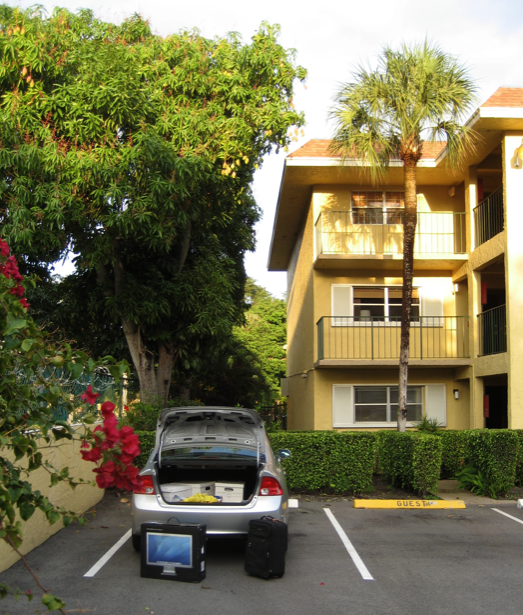 I'm loading boxes into my Honda Civic, leaving my condo in paradise (Fort Lauderdale) to return to Madison, Wisconsin via Austin, Texas - where I visit my son and his wife who live in the family house in which I grew up. It is a week or two early to return to Wisconsin, but I've decided I should symbolically share the suffering by arriving for the last gasp of a winter that has deposited 107 inches of snow on my Twin Valley home.
I've decided to take a leisurely tourist drive, tonight staying in the Wakula Springs State Park in the Florida panhandle, at the Wakula Springs Lodge, an example of Mediterranean Revival architecture built in 1937 by Edward Ball, who established the Wakula Springs wildlife preserve in 1934. After driving along Florida's Gulf coast Wednesday I'm heading on to Lake Charles, Louisiana, and crashing at the L'Augerge Du Lac casino. Thursday morning I will take the "Creole Trail" along the Louisiana Gulf coast into Texas, and then head on to Austin. I'm not sure what my internet status will be. I have asked a friend to post some blog drafts I've prepared ahead. It would be therapeutic for me to be off the grid for a few days.......
Mind Reading with fMRI
From the Nature Editor's summary:
Recent functional magnetic resonance imaging (fMRI) studies have shown that, based on patterns of activity evoked by different categories of visual images, it is possible to deduce simple features in the visual scene, or to which category it belongs. Kay et al. take this approach a tantalizing step further. Their newly developed decoding method, based on quantitative receptive field models that characterize the relationship between visual stimuli and fMRI activity in early visual areas, can identify with high accuracy which specific natural image an observer saw, even for an image chosen at random from 1,000 distinct images. This prompts the thought that it may soon be possible to decode subjective perceptual experiences such as visual imagery and dreams, an idea previously restricted to the realm of science fiction.The abstract from Kay et al., followed by one figure:
A challenging goal in neuroscience is to be able to read out, or decode, mental content from brain activity. Recent functional magnetic resonance imaging (fMRI) studies have decoded orientation, position, and object category from activity in visual cortex. However, these studies typically used relatively simple stimuli (for example, gratings) or images drawn from fixed categories (for example, faces, houses), and decoding was based on previous measurements of brain activity evoked by those same stimuli or categories. To overcome these limitations, here we develop a decoding method based on quantitative receptive-field models that characterize the relationship between visual stimuli and fMRI activity in early visual areas. These models describe the tuning of individual voxels for space, orientation and spatial frequency, and are estimated directly from responses evoked by natural images. We show that these receptive-field models make it possible to identify, from a large set of completely novel natural images, which specific image was seen by an observer. Identification is not a mere consequence of the retinotopic organization of visual areas; simpler receptive-field models that describe only spatial tuning yield much poorer identification performance. Our results suggest that it may soon be possible to reconstruct a picture of a person's visual experience from measurements of brain activity alone.
Figure Legend - The experiment consisted of two stages. In the first stage, model estimation, fMRI data were recorded while each subject viewed a large collection of natural images. These data were used to estimate a quantitative receptive-field model for each voxel. In the second stage, image identification, fMRI data were recorded while each subject viewed a collection of novel natural images. For each measurement of brain activity, we attempted to identify which specific image had been seen. This was accomplished by using the estimated receptive-field models to predict brain activity for a set of potential images and then selecting the image whose predicted activity most closely matches the measured activity.

Monday, March 31, 2008
Regulating the brain circuits of compassion
Here is yet more compelling evidence that you are what you spend your time imagining. In a recent study in PLoS ONE, Lutz, Davidson and colleagues extend their previous work on correlations between brain states and meditation to show that one particular kind of Buddhist meditation, which emphasizes empathetic and loving thoughts towards others and self, changes the brain's reactivity to emotional sounds. In experienced practitioners of the 'loving-kindness-compassion' meditation technique, such images caused larger reactions in the insular and anterior cingulate cortices than were observed in novices. Here is their abstract and one figure from the paper.
Recent brain imaging studies using functional magnetic resonance imaging (fMRI) have implicated insula and anterior cingulate cortices in the empathic response to another's pain. However, virtually nothing is known about the impact of the voluntary generation of compassion on this network. To investigate these questions we assessed brain activity using fMRI while novice and expert meditation practitioners generated a loving-kindness-compassion meditation state. To probe affective reactivity, we presented emotional and neutral sounds during the meditation and comparison periods. Our main hypothesis was that the concern for others cultivated during this form of meditation enhances affective processing, in particular in response to sounds of distress, and that this response to emotional sounds is modulated by the degree of meditation training. The presentation of the emotional sounds was associated with increased pupil diameter and activation of limbic regions (insula and cingulate cortices) during meditation (versus rest). During meditation, activation in insula was greater during presentation of negative sounds than positive or neutral sounds in expert than it was in novice meditators. The strength of activation in insula was also associated with self-reported intensity of the meditation for both groups. These results support the role of the limbic circuitry in emotion sharing. The comparison between meditation vs. rest states between experts and novices also showed increased activation in amygdala, right temporo-parietal junction (TPJ), and right posterior superior temporal sulcus (pSTS) in response to all sounds, suggesting, greater detection of the emotional sounds, and enhanced mentation in response to emotional human vocalizations for experts than novices during meditation. Together these data indicate that the mental expertise to cultivate positive emotion alters the activation of circuitries previously linked to empathy and theory of mind in response to emotional stimuli.
(AI) and (Ins.) stand for anterior insula and insula, respectively (z = 12 and z = 19, 15 experts and 15 novices, color codes: orange, p less than 5.10ˆ-2, yellow, p less than 2.10ˆ-2). B, C. Impulse response from rest to compassion in response to emotional sounds in AI (B) and Ins. (C). D–E. Responses in AI (D) and Ins. (E) during poor and good blocks of compassion, as verbally reported, for 12 experts (red) and 10 novices (blue).

Sunday, March 30, 2008

Friday, March 28, 2008
Rodent trained to be Las Vegas croupier
Atshushi Iriki's group in Tokyo has trained degus (intelligent rodents native to the highlands of Chile) to provide the first example (published in PLOS ONE) of rodents wielding tools for a task. (see my 5/7/2007 post for an example with Ravens. Monkeys and Chimps also use tools - Hihara et al. have found extension of corticocortical afferents into the anterior bank of the intraparietal sulcus after tool-use training in adult monkeys.) It will be interesting to see whether tool-use training in degus also results in extended representations in parietotemporal areas and newly formed connections between brain areas, including the prefrontal cortex, similar to those observed in the macaque brain. Work of this sort begins to define brain structures used in the development of tool use.
The mind's eye in number space
From Loetscher et al., an interesting bit on how our subtle muscle movements correlate with counting operations - numbers and space:
Human subjects' answer to questions like “what number is halfway between 2 and 8” provides insights into spatial attention mechanisms involved in numerical processing. Here we show that mental numerical bisections are accompanied by a systematic pattern of horizontal eye movements: processing of a large number followed by a small number is accompanied with leftward eye movements, a tendency less pronounced or even reversed for the processing of a small number followed by a large number. The eyes thus appear to move along a left-to-right-oriented number line, indicating that shifts of attention in representational space are accompanied by an ocular motor orienting response. These results add to the growing evidence for a convergence of numerical processing, spatial attention, and movement planning in the parietal and frontal lobes. They also demonstrate the homologous relationship between our internal representations of numbers and space, and show that the concept of “number space” is more than a mere metaphor.
Thursday, March 27, 2008
A hierarchy of temporal receptive windows in our brains
Here is the abstract from a fascinating study by Hasson et al. on how our visual system assembles time narratives - as during watching a movie - followed by part of one of the figures from the paper:
Real-world events unfold at different time scales and, therefore, cognitive and neuronal processes must likewise occur at different time scales. We present a novel procedure that identifies brain regions responsive to sensory information accumulated over different time scales. We measured functional magnetic resonance imaging activity while observers viewed silent films presented forward, backward, or piecewise-scrambled in time. Early visual areas (e.g., primary visual cortex and the motion-sensitive area MT+) exhibited high response reliability regardless of disruptions in temporal structure. In contrast, the reliability of responses in several higher brain areas, including the superior temporal sulcus (STS), precuneus, posterior lateral sulcus (LS), temporal parietal junction (TPJ), and frontal eye field (FEF), was affected by information accumulated over longer time scales. These regions showed highly reproducible responses for repeated forward, but not for backward or piecewise-scrambled presentations. Moreover, these regions exhibited marked differences in temporal characteristics, with LS, TPJ, and FEF responses depending on information accumulated over longer durations (~36 s) than STS and precuneus (~12 s). We conclude that, similar to the known cortical hierarchy of spatial receptive fields, there is a hierarchy of progressively longer temporal receptive windows in the human brain.
Figure- Maps are shown on inflated (top) and unfolded (bottom) left and right hemispheres. White outlines mark the main regions in which responses were not time reversible. Anatomical abbreviations: ITS, inferior temporal sulcus; LS, lateral sulcus; STS, superior temporal sulcus; TPJ, temporal parietal junction; CS, central sulcus; IPS, intraparietal sulcus. Several higher-order visual areas were functionally defined based on their responses to faces (red outlines), objects (blue outlines), and houses (green outlines). Functionally and anatomically defined cortical areas: V1, primary visual cortex; MT+, MT complex responsive to visual motion; PPA, parahippocampal place area; FFA, fusiform face area; LO, lateral occipital complex responsive to pictures of objects; STS-face, area in superior temporal sulcus responsive to faces.

Wednesday, March 26, 2008
Anxiety: fear in seach of a cause
 The title of this post is a pithy definition that Patricia Pearson gives in her recent book, "A BRIEF HISTORY OF ANXIETY... Yours and Mine", reviewed by William Grimes in the NY Times. From that review some clips:
Everywhere and nowhere, anxiety... In many cases it is the fear of fear itself, a free-floating, nebulous entity that, like a mutant virus, feeds on any available host. Reason is powerless against it. Ms. Pearson argues, in fact, that rationalism, intended to banish superstition and fear, has instead removed one of the most effective weapons against anxiety, namely religious faith and ritual.
...the worship of reason and science, by encouraging the notion that human beings can control their environment, has created a terrible fault line in the modern psyche, although not all societies suffer equally. Mexicans have lots to worry about but don’t. The World Mental Health Survey, conducted in 2002, found that only 6.6 percent of Mexicans had ever experienced a major episode of anxiety or depression. Meanwhile, to their north, 28.8 percent of the American population has been afflicted with anxiety, the highest level in the world. Mexicans who move to the United States adapt, becoming more anxious.
Depressing news: antidepressants don't work?
In the April issue of Nature Reviews Neuroscience, Claudia Wiedemann reviews reactions to a meta analysis by Kirsch et al. of data on antidepressant drugs submitted to the Food and Drug Administration that resulted in the licensing of four of the most commonly prescribed antidepressants: the selective serotonin reuptake inhibitors (SSRIs) Prozac, Seroxat, Effexor and Serzone. For anything but the most severe depression, there was no difference between the drugs and placebos. Kirsch suggests that there is little reason to prescribe anti-depressant medication to any but the most severely depressed patients. The conclusion of the study:
Drug–placebo differences in antidepressant efficacy increase as a function of baseline severity, but are relatively small even for severely depressed patients. The relationship between initial severity and antidepressant efficacy is attributable to decreased responsiveness to placebo among very severely depressed patients, rather than to increased responsiveness to medication.
Tuesday, March 25, 2008
Differing perception of facial expressions in the East and West
 Nagourney describes a study in the March issue of The Journal of Personality and Social Psychology reinforcing previous work showing that Westerners are more likely to see emotions as individual feelings while East Asians see them as inseparable from the feelings of the group. Many researchers have suggested that East Asians take a more holistic view of the world. Here is the abstract of the Masuda et al. article:
Two studies tested the hypothesis that in judging people's emotions from their facial expressions, Japanese, more than Westerners, incorporate information from the social context. In Study 1, participants viewed cartoons depicting a happy, sad, angry, or neutral person surrounded by other people expressing the same emotion as the central person or a different one. The surrounding people's emotions influenced Japanese but not Westerners' perceptions of the central person. These differences reflect differences in attention, as indicated by eye-tracking data (Study 2): Japanese looked at the surrounding people more than did Westerners. Previous findings on East-West differences in contextual sensitivity generalize to social contexts, suggesting that Westerners see emotions as individual feelings, whereas Japanese see them as inseparable from the feelings of the group.
Heritability of cooperative behavior
A study of the behaviors of monozygotic versis dizygotic twins (i.e. 'identical' vs. 'non-identical' twins) in a classical cooperation game yields evidence for genetic influences on yet another of our behaviors - how trusting we are:
Although laboratory experiments document cooperative behavior in humans, little is known about the extent to which individual differences in cooperativeness result from genetic and environmental variation. In this article, we report the results of two independently conceived and executed studies of monozygotic and dizygotic twins, one in Sweden and one in the United States. The results from these studies suggest that humans are endowed with genetic variation that influences the decision to invest, and to reciprocate investment, in the classic trust game. Based on these findings, we urge social scientists to take seriously the idea that differences in peer and parental socialization are not the only forces that influence variation in cooperative behavior.
Our results are complementary to work on the neurological and hormonal substrates of behavior in the trust game and other similar social dilemma games...Enhanced oxytocin levels have been documented in subjects who received a monetary transfer that reflected an intention of trust, and later work has demonstrated that exogenously administered oxytocin increases trust. Scholars have also documented associations between cortisol and trust. These hormonal studies, therefore, indicate that further study of polymorphisms of CYP11B1, OXTR, and other genes involved in the expression and regulation of these hormones may explain part of the genetic effect on cooperation. In fact, one research team has already identified a polymorphism in the AVPR1a gene that is associated with related behavior in the dictator game.
Monday, March 24, 2008
Neuroimaging shows use of self thoughts to infer others' mental states
Jenkins et al. offer a fascinating study of how we infer the mental states of others (mentalize), making use of a phenomenon (repetition suppression) that I had not been aware of before. Here I've done a cut/paste/edit from the abstract and article to try to outline the basic idea, and also show the central figure:
One useful strategy for inferring others' mental states (i.e., mentalizing) may be to use one's own thoughts, feelings, and desires as a proxy for those of other people (This approach to social cognition is alternately described as "simulationist," "projectionist," or "self-referential".) A dorsal aspect of the medial prefrontal cortex has been associated with mentalizing about people perceived to be dissimilar from oneself, whereas a more ventral aspect of medial prefrontal cortex (vMPFC) has been linked to mentalizing about those perceived to be similar. Critically, this vMPFC region also has been observed repeatedly during tasks that require participants to introspect about their own mental experiences, suggesting a connection between tasks that require self-referential thought and those that require inferences about the mental states of similar others.
Because such techniques integrate neural activity across hundreds of thousands of neurons, activation of the same brain voxel by different tasks might occur because each activates distinct, but neighboring or interdigitated, neuronal populations. In this way, two tasks could possibly coactivate the same brain voxel despite engaging different sets of neurons that subserve disparate cognitive processes.
This technical limit can now be circumvented by recently developed paradigms that support stronger conclusions regarding the coactivation of the same neurons by different stimuli or different tasks. These techniques rely on an effect known as "repetition suppression," the observation that neural activity in stimulus-sensitive brain regions is typically reduced when a stimulus is repeated
Suppression across two stimuli indicates that the same (or at least a largely overlapping) population of neurons is engaged by both stimuli. For example, a demonstration of repetition suppression for the number "3" when it follows "4" but not when it follows "40" might suggest that a relatively high proportion of the neurons that code for the number "3" also participate in representations of similar numerosities (such as "4"), but not in representations of more distant numerosities.
If (i) repeatedly considering one's own mental states produces repetition suppression in self-sensitive regions such as vMPFC, and (ii) one engages in self-referential processing when considering the minds of similar others, then (iii) repetition suppression also should be observed when perceivers first mentalize about a similar other and then introspect about self.
Consistent with this hypothesis this perceivers spontaneously engage in self-referential processing when mentalizing about particular individuals, vMPFC response was suppressed when self-reflections followed either an initial reflection about self or a judgment of a similar, but not a dissimilar, other. These results suggest that thinking about the mind of another person may rely importantly on reference to one's own mental characteristics.
Here is the basic figure:Figure legend (click on figure to enlarge it). A region of vMPFC (–6, 45, 3; 47 voxels in extent) was defined from an explicit self-reference task in which judgments of one's own personality characteristics were compared with judgments of another person (i.e., self > other). On a separate task, participants completed a series of paired judgments, in which they introspected about their own preferences and opinions immediately after one of three types of judgments: (i) an initial report about self (self-after-self), (ii) a judgment of a person with the same sociopolitical attitudes as oneself (self-after-similar), or (iii) a judgment of a person with opposing attitudes (self-after-dissimilar). On an equal number of trials, participants considered the identical question for prime and self or a different question across the two phases. The bar graph depicts the BOLD response associated with these self-reports after subtracting out the response associated with the initial judgment (see Methods); values therefore represent the additional BOLD response specifically associated with subsequent judgments of self. For comparison purposes, the figure includes the response in this region to self-reports made in isolation (gray bar). Significant repetition suppression was observed for self-reports that followed either an initial self-report (blue bars) or a judgment of a similar other (red bars), but not judgments of a dissimilar other (green bars). Error bars represent the 95% confidence interval for within-subject designs.
Like many of the cognitive heuristics that typically serve us well, but periodically lead to undesirable or maladaptive behavior, the use of self-reference in mentalizing may be a double-edged sword: a useful strategy for providing rich and accurate insights into the minds of similar individuals, but rife with the potential to exclude those minds assumed at first glance to be different from our own.

Emonomics
Berreby offers an entertaining review of Ariely's new book "Predictably Irrational," which deals with behavioral economics - the experimental study of what people actually do when they buy, sell, change jobs, marry and make other real-life decisions. The book is a concise summary of why today’s social science increasingly treats the markets-know-best model as a fairy tale.
To see how arousal alters sexual attitudes, for example, Ariely and his colleagues asked young men to answer a questionnaire — then asked them to answer it again, only this time while indulging in Internet pornography on a laptop wrapped in Saran Wrap. (In that state, their answers to questions about sexual tastes,, violence and condom use were far less respectable.) To study the power of suggestion, Ariely’s team zapped volunteers with a little painful electricity, then offered fake pain pills costing either 10 cents or $2.50 (all reduced the pain, but the more expensive ones had a far greater effect). To see how social situations affect honesty, they created tests that made it easy to cheat, then looked at what happened if they reminded people right before the test of a moral rule. (It turned out that being reminded of any moral code — the Ten Commandments, the non-existent “M.I.T. honor system” — caused cheating to plummet.)
A bit of piano...
I thought I would punctuate the stream of 'serious' posts with a paste from my piano recordings, this being "Three Fantastic Dances" by Shostakovitch:
Most popular consciousness articles for February
From the ASSC downloads archive:
1. Koriat, A. (2006) Metacognition and Consciousness. In: Cambridge handbook
of consciousness. Cambridge University Press, New York, USA.http://eprints.assc.caltech.edu/175/
2. Sagiv, N. and Ward, J. (2006) Crossmodal interactions: lessons from synesthesia. In: Visual Perception, Part 2. Progress in Brain Research,
Volume 155.http://eprints.assc.caltech.edu/224
3. Seth, A.K. and Baars, B.J. (2005) Neural Darwinism and Consciousness. Consciousness and Cognition, 14. pp. 140-168.http://eprints.assc.caltech.edu/163/
4. Dehaene, S., Changeux, J.-P., Naccache, L., Sackur, J. and Sergent, C. (2006) Conscious, preconscious, and subliminal processing: a testable taxonomy. Trends in Cognitive Science, 10 (5). pp. 204-211.http://eprints.assc.caltech.edu/20/
5. Gennaro, R. J. (2007) Representationalism, peripheral awareness, and the transparency of experience. Philosophical Studies.http://eprints.assc.caltech.edu/218/
1. Koriat, A. (2006) Metacognition and Consciousness. In: Cambridge handbook
of consciousness. Cambridge University Press, New York, USA.http://eprints.assc.caltech.edu/175/
2. Sagiv, N. and Ward, J. (2006) Crossmodal interactions: lessons from synesthesia. In: Visual Perception, Part 2. Progress in Brain Research,
Volume 155.http://eprints.assc.caltech.edu/224
3. Seth, A.K. and Baars, B.J. (2005) Neural Darwinism and Consciousness. Consciousness and Cognition, 14. pp. 140-168.http://eprints.assc.caltech.edu/163/
4. Dehaene, S., Changeux, J.-P., Naccache, L., Sackur, J. and Sergent, C. (2006) Conscious, preconscious, and subliminal processing: a testable taxonomy. Trends in Cognitive Science, 10 (5). pp. 204-211.http://eprints.assc.caltech.edu/20/
5. Gennaro, R. J. (2007) Representationalism, peripheral awareness, and the transparency of experience. Philosophical Studies.http://eprints.assc.caltech.edu/218/
Friday, March 21, 2008
The maturing architecture of the brain's default network
From Raichle and others in the St. Louis group, an interesting story on the development of the brain network we most likely use for introspective mental activity:
In recent years, the brain's "default network," a set of regions characterized by decreased neural activity during goal-oriented tasks, has generated a significant amount of interest, as well as controversy. Much of the discussion has focused on the relationship of these regions to a "default mode" of brain function. In early studies, investigators suggested that, the brain's default mode supports "self-referential" or "introspective" mental activity. Subsequently, regions of the default network have been more specifically related to the "internal narrative," the "autobiographical self," "stimulus independent thought," "mentalizing," and most recently "self-projection." However, the extant literature on the function of the default network is limited to adults, i.e., after the system has reached maturity. We hypothesized that further insight into the network's functioning could be achieved by characterizing its development. In the current study, we used resting-state functional connectivity MRI (rs-fcMRI) to characterize the development of the brain's default network. We found that the default regions are only sparsely functionally connected at early school age (7–9 years old); over development, these regions integrate into a cohesive, interconnected network.
Figure legend - (click on figure to enlarge). Voxelwise resting-state functional connectivity maps for a seed region (solid black circle) in mPFC (ventral: –3, 39, –2). (A) Qualitatively, the rs-fcMRI map for the mPFC (ventral) seed region reveals the commonly observed adult connectivity pattern of the default network. The connectivity map in children, however, significantly deviates from that of the adults. Functional connections with regions in the posterior cingulate and lateral parietal regions (highlighted with blue open circles) are present in the adults but absent in children. (B) These qualitative differences between children and adults are confirmed by the direct comparison (random effects) between adults and children. mPFC (ventral) functional connections with the posterior cingulate and lateral parietal regions are significantly stronger in adults than children.

Analogies between cultural and genetic evolution - the case of polynesian canoes
Rogers and Ehrlich, in an open access article, have made an important contribution to understanding cultural evolution. Here are some clips from an accompanying commentary by Stephen Shennan, followed by the article abstract. The link to the article takes you to pictures of the canoe features studied.
In the most general terms, parallel mechanisms for inheritance, mutation, selection, and drift act on culture as they do on genes...In the case of culture, the inheritance mechanism is social learning: People learn ways to think and act from others...natural selection can also act on cultural attributes, in the sense that those individuals who inherit or acquire certain cultural attributes may have a greater probability of surviving and/or reproducing than those who do not; as a result, those cultural attributes will become increasingly prevalent. For example, it is clear that, in many parts of the world, adopting an agricultural rather than a hunting-and-gathering way of life led to greater reproductive success; as a result, the cultural traits that characterize agriculture spread and, in some cases, subsequently influenced genetic evolution [e.g., the ability to digest lactose]...It is also important to look at things from what Dawkins called "the meme's eye-view," the perspective of the cultural attributes themselves...in the case of the canoe attributes analyzed by Rogers and Ehrlich, these culturally transmitted features are the data that archaeologists and anthropologists have available...What Rogers and Ehrlich have done is make progress in this area by showing that variation that is believed to be under selection is patterned differently from other variation that is believed not to be under selection, or at least not in the same way. It seems to be more conservative and, therefore, under negative selection. Perhaps more surprisingly, they find that there is no correlation at all in the similarities between island groups in terms of functional canoe variation and the similarities based on symbolic variation. One might have expected some correlation, either because both would be affected by the distance between the islands, or because the process of island colonization by groups in canoes would have brought both their functional and their symbolic attributes. The fact that selection appears to have been sufficiently powerful to overwhelm evidence of descent history is extremely interesting and confirms the importance of regarding cultures not as hermetically sealed entities, a bit like species, but as bundles of distinct packages of traits affected by different forcesThe Rogers and Ehrlich abstract:
It has been claimed that a meaningful theory of cultural evolution is not possible because human beliefs and behaviors do not follow predictable patterns. However, theoretical models of cultural transmission and observations of the development of societies suggest that patterns in cultural evolution do occur. Here, we analyze whether two sets of related cultural traits, one tested against the environment and the other not, evolve at different rates in the same populations. Using functional and symbolic design features for Polynesian canoes, we show that natural selection apparently slows the evolution of functional structures, whereas symbolic designs differentiate more rapidly. This finding indicates that cultural change, like genetic evolution, can follow theoretically derived patterns.
Thursday, March 20, 2008

A new brain book...
The new book "Brain Rules" looks interesting, it appears to be an enlightened self-help manual based on basics of brain function.
Our motor adaptation as a process of reoptimization.
Because I'm a classical pianist and am continually trying to optimize the motor performance involved, I'm fascinated by articles like this one by Izawa et al. They oppose the common assumption that the goal of motor adaptation is to compensate for some perturbation by returning to a previous baseline condition assumed to be optimal. Here is their abstract:
Adaptation is sometimes viewed as a process in which the nervous system learns to predict and cancel effects of a novel environment, returning movements to near baseline (unperturbed) conditions. An alternate view is that cancellation is not the goal of adaptation. Rather, the goal is to maximize performance in that environment. If performance criteria are well defined, theory allows one to predict the reoptimized trajectory. For example, if velocity-dependent forces perturb the hand perpendicular to the direction of a reaching movement, the best reach plan is not a straight line but a curved path that appears to overcompensate for the forces. If this environment is stochastic (changing from trial to trial), the reoptimized plan should take into account this uncertainty, removing the overcompensation. If the stochastic environment is zero-mean, peak velocities should increase to allow for more time to approach the target. Finally, if one is reaching through a via-point, the optimum plan in a zero-mean deterministic environment is a smooth movement but in a zero-mean stochastic environment is a segmented movement. We observed all of these tendencies in how people adapt to novel environments. Therefore, motor control in a novel environment is not a process of perturbation cancellation. Rather, the process resembles reoptimization: through practice in the novel environment, we learn internal models that predict sensory consequences of motor commands. Through reward-based optimization, we use the internal model to search for a better movement plan to minimize implicit motor costs and maximize rewards.
Relativity of space, time and magnitude representation in our brains
Here are some simple and elegant experiments that shows how relativistic our time sense is. Our two cerebral hemispheres expand (right hemisphere) or contract (left hemisphere) time perception when acting alone, and then let magnitude cues in the stimulus influence perceived time when acting together. Vicario et al. investigated whether duration judgments of digit visual stimuli were biased depending on the side of space where the stimuli were presented (i.e. to which hemisphere) and on the magnitude of the stimulus itself:
Different groups of healthy subjects performed duration judgment tasks on various types of visual stimuli. In the first two experiments visual stimuli were constituted by digit pairs (1 and 9), presented in the centre of the screen or in the right and left space. In a third experiment visual stimuli were constituted by black circles. The duration of the reference stimulus was fixed at 300 ms. Subjects had to indicate the relative duration of the test stimulus compared with the reference one. The main results showed that, regardless of digit magnitude, duration of stimuli presented in the left hemispace is underestimated and that of stimuli presented in the right hemispace is overestimated. On the other hand, in midline position, duration judgments are affected by the numerical magnitude of the presented stimulus, with time underestimation of stimuli of low magnitude and time overestimation of stimuli of high magnitude. These results argue for the presence of strict interactions between space, time and magnitude representation on the human brain.
A fiery piano performance...
This makes me cringe..... On March 8, pianist Yosuke Yamashita donned a fireproof suit and played a burning piano on a beach in Ishikawa prefecture. The improvised jazz performance went for about 10 minutes until the flames rendered the piano silent.
Wednesday, March 19, 2008
In Most Species, Faithfulness Is a Fantasy
 This post has the title of a great article by Natalie Angier in the NYTimes Science section. Elliot Spitzer was doing nothing that hasn't been done by males and females of thousands of other species - representatives of every taxonomic twig on the great tree of life.
Even the “oldest profession” that figured so prominently in Mr. Spitzer’s demise is old news. Nonhuman beings have been shown to pay for sex, too. Reporting in the journal Animal Behaviour, researchers from Adam Mickiewicz University and the University of South Bohemia described transactions among great grey shrikes, elegant raptorlike birds with silver capes, white bellies and black tails that, like 90 percent of bird species, form pair bonds to breed. A male shrike provisions his mate with so-called nuptial gifts: rodents, lizards, small birds or large insects that he impales on sticks. But when the male shrike hankers after extracurricular sex, he will offer a would-be mistress an even bigger kebab than the ones he gives to his wife — for the richer the offering, the researchers found, the greater the chance that the female will agree to a fly-by-night fling.
In another recent report from the lubricious annals of Animal Behaviour entitled “Payment for sex in a macaque mating market,” Michael D. Gumert of Hiram College described his two-year study of a group of longtailed macaques that live near the Rimba ecotourist lodge in the Tanjung Puting National Park of Indonesia. Dr. Gumert determined that male macaques pay for sex with that all-important, multipurpose primate currency, grooming. He saw that, whereas females groomed males and other females for social and political reasons — to affirm a friendship or make nice to a dominant — and mothers groomed their young to soothe and clean them, when an adult male spent time picking parasites from an adult female’s hide, he expected compensation in the form of copulation, or at the very least a close genital inspection. About 89 percent of the male-grooming-female episodes observed, Dr. Gumert said in an interview from Singapore, where he is on the faculty of Nanyang Technological University, “were directed toward sexually active females” with whom the males had a chance of mating.
Influence of language on brain activity underlying perceptual decisions
Following up on my Feb. 22 post on the same topic, I pass on the abstract of work by Tan et al., showing that language-processing areas of the brain are directly involved in visual perceptual decisions:
Well over half a century ago, Benjamin Lee Whorf [Carroll JB (1956) Language, Thought, and Reality: Selected Writings of Benjamin Lee Whorf (MIT Press, Cambridge, MA)] proposed that language affects perception and thought and is used to segment nature, a hypothesis that has since been tested by linguistic and behavioral studies. Although clear Whorfian effects have been found, it has not yet been demonstrated that language influences brain activity associated with perception and/or immediate postperceptual processes (referred hereafter as "perceptual decision"). Here, by using functional magnetic resonance imaging, we show that brain regions mediating language processes participate in neural networks activated by perceptual decision. When subjects performed a perceptual discrimination task on easy-to-name and hard-to-name colored squares, largely overlapping cortical regions were identified, which included areas of the occipital cortex critical for color vision and regions in the bilateral frontal gyrus. Crucially, however, in comparison with hard-to-name colored squares, perceptual discrimination of easy-to-name colors evoked stronger activation in the left posterior superior temporal gyrus and inferior parietal lobule, two regions responsible for word-finding processes, as demonstrated by a localizer experiment that uses an explicit color patch naming task. This finding suggests that the language-processing areas of the brain are directly involved in visual perceptual decision, thus providing neuroimaging support for the Whorf hypothesis.Figure legend (Click on figure to enlarge it). Brain activations elicited by color perception and explicit color naming. (A and B) Areas showing significant activation during perceptual discrimination of easy-to-name colors in comparison with perceptual discrimination of hard-to-name colors. A and B are lateral view and axial sections, respectively. Two regions of greatest interest are the left posterior superior temporal gyrus (BA 22; x = –57, y = –38, z = 18) and the left inferior parietal lobule (BA 40; x = –61, y = –32, z = 27). (C and D) Percentage BOLD signal change (± SEM) at voxels of maximal difference between the two color-discrimination conditions in the two regions of interest. (E and F) Areas showing significant activation in explicit color naming against color word naming as baseline. E and F are lateral view and axial sections, respectively. The left posterior superior temporal gyrus and the left inferior parietal lobule are critically engaged by the color naming task.

Reality getting to you?
Perhaps try escaping into one of these devices? (I don't think I'll go there just yet....)
Tuesday, March 18, 2008
The brain and emotion-laden images: two pathways
A collaborative study has considered several models that might explain why our behavior can be rapidly influenced by an emotional stimulus (a snake like shape that we jump away from) before the stimulus has been fully processed (and we realize that it is a coil of rope). Information influences action before perception is complete. The data can only be accounted for by a two-pathway architecture by which emotional visual information proceeds more directly via one pathway to the amygdala (and thus influences action) and at the same time more slowly by the second conventional visual pathway that establishes the perception of the actual nature of the stimulus. I'm showing here the abstract and then the basic figure describing the models.

Visual attention can be driven by the affective significance of visual stimuli before full-fledged processing of the stimuli. Two kinds of models have been proposed to explain this phenomenon: models involving sequential processing along the ventral visual stream, with secondary feedback from emotion-related structures ("two-stage models"); and models including additional short-cut pathways directly reaching the emotion-related structures ("two-pathway models"). We tested which type of model would best predict real magnetoencephalographic responses in subjects presented with arousing visual stimuli, using realistic models of large-scale cerebral architecture and neural biophysics. The results strongly support a "two-pathway" hypothesis. Both standard models including the retinotectal pathway and nonstandard models including cortical–cortical long-range fasciculi appear plausible.

Tested models. (Click on image to enlarge) a, Basic components of the generic model, including all the possible types of connections used in this report, within and between two connected regions. Top, Cortical regions are modeled as three layered columns with three types of neuronal populations (pyramidal, excitatory spiny, and inhibitory interneurons), connected through intrinsic and extrinsic (feedforward and backward) connections. Bottom, The dynamics is mathematically expressed at the level of neural populations and is defined by nonlinear differential equations in which the change of state of each unit dxi/dt depends on its current state xi(t); thalamic inputs ui(t); average firing rate of afferents S(xj(t – {delta}ij)); transmission delays {delta}ij; forward, backward, and intrinsic effective connectivity matrices CF, CB, Ci, and other parameters. The MEG signal M is assumed to be related to the local average current density x generated by pyramidal populations through a linear forward model M = GX. b, Lateral, mesial, and ventral views of the mapping of the regions of interest common to all models on a reference cortical tessellation [for color code, see c (top row)]. c, Schematic representation of the architecture of the tested models. All the models share the same basic layout (see text). Null model, Simple feedforward model. Model 1, Adjunction of connectivity modulation. Model 2 (2-stage model), Adjunction of local feedbacks. Model 3 (2-stage model), Adjunction of long-range feedbacks from structures of the AAS (anterior affective system). Model 4 (2-pathway model), Adjunction of a direct subcortical retinotectal short-cut pathway to the AAS. Model 5 (2-pathway model), Alternative short-cut pathways to the AAS via the inferior longitudinal and frontal–occipital fasciculi. Model 6 (2-pathway model), Combination of models 4 and 5. Orange circles, "Synapses" at which modulation by emotional competence of the stimuli is implemented.
Subscribe to:
Comments (Atom)