Friday, January 20, 2012

On Solitude.

Reading a recent New York Times Op-Ed piece by Susan Cain ("The Rise of the New Groupthink") transported me back over 20 years to what I then experienced as a transformative reading of British Psychotherapist Anthony Storr's book "Solitude, a return to the self." It's reading provided me with a my needed validation of my own solitary and introspective nature (preferring to do my work and thinking my myself, even while serving and respecting social groups, such as the laboratory I ran). Storr's book was a reaction against the popular psychotherapies of the 1980s which emphasized intimate interpersonal relationships as the chief, if not the only, source of human happiness. He made a strong case that the life of an average person, not just a familiar list of brilliant scholars and artists such as Beethoven, Kant, Newton, etc., could be greatly enriched more time spent alone.

In a similar vein Cain writes against the current assumption that creativity, particularly in business, requires the collaboration of group of people addressing the problem at hand. Her central illustration describes the origins of the Apple computer, It's creation required the support of a creative group of engineers and Steve Jobs' business sense, but the creative kernel of work and insight that put together the core of the actual hardware and code that ran it was done by Wozniak's solitary effort. Cain notes:
...brainstorming sessions are one of the worst possible ways to stimulate creativity...People in groups tend to sit back and let others do the work; they instinctively mimic others’ opinions and lose sight of their own; and, often succumb to peer pressure... fear of rejection actives the brain's amygdala.

The one important exception to this dismal record is electronic brainstorming, where large groups outperform individuals; and the larger the group the better. The protection of the screen mitigates many problems of group work. This is why the Internet has yielded such wondrous collective creations. Marcel Proust called reading a “miracle of communication in the midst of solitude,” and that’s what the Internet is, too. It’s a place where we can be alone together — and this is precisely what gives it power.

...most humans have two contradictory impulses: we love and need one another, yet we crave privacy and autonomy....To harness the energy that fuels both these drives, we need to move beyond the New Groupthink and embrace a more nuanced approach to creativity and learning. Our offices should encourage casual, cafe-style interactions, but allow people to disappear into personalized, private spaces when they want to be alone. Our schools should teach children to work with others, but also to work on their own for sustained periods of time. And we must recognize that introverts like Steve Wozniak need extra quiet and privacy to do their best work.

Before Mr. Wozniak started Apple, he designed calculators at Hewlett-Packard, a job he loved partly because HP made it easy to chat with his colleagues. Every day at 10 a.m. and 2 p.m., management wheeled in doughnuts and coffee, and people could socialize and swap ideas. What distinguished these interactions was how low-key they were. For Mr. Wozniak, collaboration meant the ability to share a doughnut and a brainwave with his laid-back, poorly dressed colleagues — who minded not a whit when he disappeared into his cubicle to get the real work done.

Thursday, January 19, 2012

Chill-out architecture - The use of tree metaphors

I gravitate towards forests and trees (typing right now at a desk that looks out at a large tree canopy on the opposite riverbank) because the vision of green trees under a blue sky is vastly more calming that having to look at the more brown and red tints of modern city structures. (My current Fort Lauderdale location is an extended strip mall only occasionally small bits of nature to intrude). Old pine forests give me the same sheltered feeling as the great cathedrals of Europe.

Thus I am very sympathetic to efforts to argue for a evolutionary or biological basis for these feelings, which appear to be common to most human cultures. E.O. Wilson, the father of "Sociobiology" and evolutionary psychology, has written a book "Biophilia" that essentially argues that our preference for natural scenes is innate, the product of a psychology that evolved in paleolithic times. I would like this to be a correct view, but alas, it is, like most of evolutionary psychology, more like Rudyard Kipling's "Just so Stories" than hard science.

It is one thing to simply note trees as a metaphor for shelter, and thus to find it natural that architectural designs (such as the Metropol Parasol in Seville shown in the picture) that incorporate the tree metaphor would be pleasing to us. It is quite another hang this all on the supposed cognitive neuroscience of embodied cognition, as Sarah Williams Goldhagen, the architecture critic for The New Republic, has done in a rather confused piece. A recent post by Voytek, and the discussion following, point out a number of reservations and relevant points.

Wednesday, January 18, 2012

Living large - how the powerful overestimate.

From Duguid and Goncalo, their abstract, slightly edited:
In three experiments, we tested the prediction that individuals’ experience of power influences their perceptions of their own height. In the first experiment high power, relative to low power, was associated with smaller estimates of a pole’s height relative to the self, in a second experiment with larger estimates of one’s own height, and in a third experiment with choice of a taller avatar to represent the self in a second-life game . These results emerged regardless of whether power was experientially primed (In the first and third experiments) or manipulated through assigned roles (in the second experiment). Although a great deal of research has shown that more physically imposing individuals are more likely to acquire power, this work is the first to show that powerful people feel taller than they are. The discussion considers the implications for existing and future research on the physical experience of power.

Tuesday, January 17, 2012

My pushing back against our diffusion into “the cloud”

My son visits over the new year's holiday every year, which gives me the chance to have a "techie" conference with him to see what I've been missing. One of the web applications he mentioned lead me to Ghostery, a web app that installs on your web browser with a cute little pac-man like ghost that shows you who is tracking your web movements and what cookies have been put on your browser (I was rather taken aback to see that I'm tracked by 759 'bugs' and have 412 cookies). The Ghostery App allows you to inactivate them individually or as a group. Even though most of the monitoring of our movements on the web is supposedly for benign marketing purposes, I'm more than happy to turn it all off.

A storm of controversy has risen over Google recent effort to conflate supposedly neutral web searches with its Google Plus social network, so that a search for information on some idea or item might now yield results that include posts, photos, profiles and conversations from Google Plus that are public or were shared privately with the person searching. I go to google for Google for links to expert information, and don't want my search results to be cluttered with friends’ postings. Since I use google for practically everything I do on the web (this blog, mail, calendar, contacts, google+, google voice, etc.), this cross linking of my search results and my google+ account is in fact happening. Fortunately, you can turn off this google+ feature by going to the gear-shaped options icon at the top right of google search results, selecting "Search settings," scrolling down till you see "Personal results" and tick the box next to "Do not use personal results."

Monday, January 16, 2012

Remembering a rosy future.

Here is a fascinating tidbit from Dan Schacter's laboratory. When we imagine events in the future, our subsequent recall of negative simulations fades more rapidly than our recall of positive ones.:
Mental simulations of future experiences are often concerned with emotionally arousing events. Although it is widely believed that mental simulations enhance future behavior, virtually nothing is known about how memory for these simulations changes over time or whether simulations of emotional experiences are especially well remembered. We used a novel paradigm that combined recently developed methods for generating simulations of future events and well-established procedures for testing memory to examine the retention of positive, negative, and neutral simulations over delays of 10 min and 1 day. We found that at the longer delay, details associated with negative simulations were more difficult to remember than details associated with positive or neutral simulations. We suggest that these effects reflect the influence of the fading-affect bias, whereby negative reactions fade more quickly than positive reactions, and that this influence results in a tendency to remember a rosy simulated future. We discuss implications of our findings for individuals with affective disorders, such as depression and anxiety.
(Schacter, in the Harvard Psychology department, is a prolific memory researcher, and is author of such popular books as "The Seven Sins of Memory: How the Mind Forgets and Remembers." as well as coauthor, along with Gilbert and Wegner, of a really excellent introductory college Psychology text.)

Friday, January 13, 2012

Our bias against creativity

In principle we are all for creativity, but, when faced with the prospect of actually altering our behavior or opinions we falter. Mueller et al suggest that this is a covert, largely unconscious process regulated by how uncertain we feel. Their results show that regardless of the degree to which people are open minded, when they feel motivated to reduce uncertainty (either because they have an immediate goal of reducing uncertainty or they feel uncertain generally), they may experience more negative associations with creativity, which results in lower evaluations of a creative idea. Their findings imply an irony. Other research has shown that uncertainty spurs the search for and generation of creative ideas, yet these findings reveal that uncertainty also makes people less able to recognize creativity, perhaps when they need it most. Here is the abstract.:
People often reject creative ideas, even when espousing creativity as a desired goal. To explain this paradox, we propose that people can hold a bias against creativity that is not necessarily overt and that is activated when people experience a motivation to reduce uncertainty. In two experiments, we manipulated uncertainty using different methods, including an uncertainty-reduction prime. The results of both experiments demonstrated the existence of a negative bias against creativity (relative to practicality) when participants experienced uncertainty. Furthermore, this bias against creativity interfered with participants’ ability to recognize a creative idea. These results reveal a concealed barrier that creative actors may face as they attempt to gain acceptance for their novel ideas.

Thursday, January 12, 2012

IQ scores are malleable.

Brinch and Galloway do a rather clean demonstration that contests the common notion that education has little effect on IQ. Here is the abstract and one figure from the paper.:
Although some scholars maintain that education has little effect on intelligence quotient (IQ) scores, others claim that IQ scores are indeed malleable, primarily through intervention in early childhood. The causal effect of education on IQ at later ages is often difficult to uncover because analyses based on observational data are plagued by problems of reverse causation and self-selection into further education. We exploit a reform that increased compulsory schooling from 7 to 9 y in Norway in the 1960s to estimate the effect of education on IQ. We find that this schooling reform, which primarily affected education in the middle teenage years, had a substantial effect on IQ scores measured at the age of 19 y.

Average IQ and education by time to reform.

Wednesday, January 11, 2012

BioDigitalHuman - You've got to check out this site!

I've just spent the last two hours marveling at the incredibly elegant 3-D human anatomy website developed by BioDigital Systems (pointed to by Natashe Singer's article). (I'm finding the 3-D graphics work on either Firefox or Chrome, but not both, depending of which of my MacBook Pro laptops I'm using.  Go figure.  I use Apple computers, so can't comment on Microsoft Explorer.) You can view gross to detailed levels of skeletal, muscular, nervous, endocrine, cardiovascular, digestive, etc., systems. A click on a structure brings up a detailed description along with relevant clinical issues. I focused first on the brain (finding it helps if you first toggle off viewing the skeleton system skull that covers it. Duh!) You can zoom in and out, performing 3-D rotations to see precisely where structures are. Asking for smaller internal structure like the pituitary, or left or right amygdala, takes you to their internal location, and you can zoom in and out to appreciate how to get there. The transitions from external to internal brain structures are crude and jerky at this point, and I hope the developers will be adding more fine structure and smoother transitions during zooming. (It will take a massive amount of work to do this.)

I moved next to the muscular system, particularly around the knee joints (whose malfunctions in my case over the past year have convinced me I may no longer a teenager, in fact might be "old"). I found a more clear view of the muscles and their insertions that might underlie the pain than I've been able to get from several doctor's appointments.

Happy hunting!

Tuesday, January 10, 2012

Classic versus modern violins: beauty in the eye of the beholder?

It is a truism among musicians that no modern violin can, or ever will, approach the perfection of the instruments crafted by Renaissance violin makers such as Stradivari or Guarneri del Gesù in the late 17th and early 18th centuries. Nichlas Wade describes an interesting test published in PNAS that aims to determine if this is in fact the case. Violinists attending an international competition were asked to wear goggles (so they could not identify the instruments they were playing) and play three classic (a Guarneri and two Stradivari instruments) and three high quality modern violins. (It has been as pastime of physicists for years to analyze the sound qualities of old violins and devise construction techniques that could reproduce them in modern instruments.)
...participants in Dr. Fritz’s test could not reliably distinguish the old instruments from modern violins. Only 8 of the 21 subjects chose an old violin as the one they’d like to take home. In the old-to-new comparison, a Stradivarius came in last and a new violin as the most preferred.
The results are clear, even though there was grumbling from other players that the test was performed in a hotel room rather than a concert hall, so projection qualities of the instruments might not have been appreciated.

This reminds me of the numerous blind taste tests involving hundreds of people have shown no correlation between the price of wines costing from $1.50 to $150 and their reported taste. In fact, I've done a posting on the neural correlates of this effect (see also this related posting).

Monday, January 09, 2012

Are the Humanities becoming the “Animal Sciences”

A theme of my "Biology of Mind" course at the University of Wisconsin and the book of that title that I generated from my lecture notes was that our understanding of almost any aspect of our culture and literature could be enhanced by knowledge of its biological underpinnings. As more or and more of the cognitive faculties once assumed to be unique to humans are found in animals (aspects of math, language, tool use, the roots of morality) the citadel of the Humanities has increasingly taken note and an
article by James Gorman points to the consequences of this: a array of courses that bridge animal studies and human animal interactions.
This spring, freshmen at Harvard can take “Human, Animals and Cyborgs.” Last year Dartmouth offered “Animals and Women in Western Literature: Nags, Bitches and Shrews.” New York University offers “Animals, People and Those in Between.”
The existence of an emerging scholarly community is reflected by the recent formation of the Animals and Society Institute, which lists more than 100 college level courses that fit under the broad banner of animal studies. Previously ignored ethical issues in the treatment of animals are being scrutinized. The human-animal divide is being eroded as humans increasingly realize they too are animals, and subject to the same natural forces. Any cultural trend that injects just a bit more humility into us humans has to be a good thing.

Friday, January 06, 2012

Structural changes in adult brains caused by acquiring knowledge

A number of reports have appeared over the past 20 years suggesting that the hippocampus region of the brain involved in place memory is larger than normal in London Taxi drivers (who must pass a memory test of London streets to become licensed taxi drivers). Woollett and Maguire have now examined this more carefully. Their summaries:
-Trainee taxi drivers in London spend 3–4 years learning the city's layout
-We assessed the brain and memory of trainees before and after this long training
-Those who qualified experienced increased gray matter in posterior hippocampus
-Successful qualification was also associated with changes in memory profile

The last decade has seen a burgeoning of reports associating brain structure with specific skills and traits. Although these cross-sectional studies are informative, cause and effect are impossible to establish without longitudinal investigation of the same individuals before and after an intervention. Several longitudinal studies have been conducted; some involved children or young adults, potentially conflating brain development with learning, most were restricted to the motor domain, and all concerned relatively short timescales (weeks or months). Here, by contrast, we utilized a unique opportunity to study average-IQ adults operating in the real world as they learned, over four years, the complex layout of London's streets while training to become licensed taxi drivers. In those who qualified, acquisition of an internal spatial representation of London was associated with a selective increase in gray matter (GM) volume in their posterior hippocampi and concomitant changes to their memory profile. No structural brain changes were observed in trainees who failed to qualify or control participants. We conclude that specific, enduring, structural brain changes in adult humans can be induced by biologically relevant behaviors engaging higher cognitive functions such as spatial memory, with significance for the “nature versus nurture” debate.

Thursday, January 05, 2012

Can ignorance promote democracy?

It is easy to despair over the continuing decay in the intelligence and rationality of American voters, and worry about their susceptibility to manipulation by loud voices offering simplistic solutions. Past work has suggested that when many individuals (human voters, flocks of birds, schools of fish) must come together to make a single collective decision, a strongly opinionated minority (tea party anyone?), might be able to exert disproportional pressure on the decision-making process. Couzin et al. develop a theoretical model in which uninformed individuals inhibit the influence of a strongly opinionated minority, returning control to the numerical majority, and in experiments on the shiner, a schooling fish, show the utility of their model. In the presence of an intransigent (and not proselytizing) minority uninformed individuals tend to adopt the opinions of those around them, amplifying the majority opinion and preventing erosion by the intransigent minority. Thus, adding uninformed individuals to a group can facilitate fair representation during the process of information integration. Here is the abstract:
Conflicting interests among group members are common when making collective decisions, yet failure to achieve consensus can be costly. Under these circumstances individuals may be susceptible to manipulation by a strongly opinionated, or extremist, minority. It has previously been argued, for humans and animals, that social groups containing individuals who are uninformed, or exhibit weak preferences, are particularly vulnerable to such manipulative agents. Here, we use theory and experiment to demonstrate that, for a wide range of conditions, a strongly opinionated minority can dictate group choice, but the presence of uninformed individuals spontaneously inhibits this process, returning control to the numerical majority. Our results emphasize the role of uninformed individuals in achieving democratic consensus amid internal group conflict and informational constraints.

Wednesday, January 04, 2012

Dynamics of improvising together.

In a previous life (when I was a 30-something) I frequently participated in dance improvisation sessions sponsored by either the Univ. of Wisc. Dance Department or local dance groups. One of the basic exercises was 'mirroring', two dancers generating novel movements by attempting to spontaneously generate matching movements. This worked much better when participants were equal, rather than one being designated the leader. Here is an interesting bit of work by Noy et al. describing why that was the case:
Joint improvisation is the creative action of two or more people without a script or designated leader. Examples include improvisational theater and music, and day-to-day activities such as conversations. In joint improvisation, novel action is created, emerging from the interaction between people. Although central to creative processes and social interaction, joint improvisation remains largely unexplored due to the lack of experimental paradigms. Here we introduce a paradigm based on a theater practice called the mirror game. We measured the hand motions of two people mirroring each other at high temporal and spatial resolution. We focused on expert actors and musicians skilled in joint improvisation. We found that players can jointly create novel complex motion without a designated leader, synchronized to less than 40 ms. In contrast, we found that designating one player as leader deteriorated performance: The follower showed 2–3 Hz oscillation around the leader's smooth trajectory, decreasing synchrony and reducing the range of velocities reached. A mathematical model suggests a mechanism for these observations based on mutual agreement on future motion in mirrored reactive–predictive controllers. This is a step toward understanding the human ability to create novelty by improvising together.

Tuesday, January 03, 2012

Have a scary memory? Erase it with prozac plus psychotherapy.

Numerous clinical studies by now have shown that a combination of antidepressant medication and psychological treatment works better for mood disorders than either therapy on its own. Karpova et al. have now ferreted out the mechanisms that might underlie this fact by investigating the effect of fluoxetine (Prozac) on fear-conditioned memories in mice. Fluoxetine accelerated extinction of fear responses, and together with extinction training disrupted fear renewal and fear reinstatement, but neither treatment by itself produced long term fear extinction. Their results suggest that fluoxetine reactivates plasticity within the amygdala, which, in combination with extinction training, can lead to the erasure of conditioned fear responses. Here is their abstract:
Antidepressant drugs and psychotherapy combined are more effective in treating mood disorders than either treatment alone, but the neurobiological basis of this interaction is unknown. To investigate how antidepressants influence the response of mood-related systems to behavioral experience, we used a fear-conditioning and extinction paradigm in mice. Combining extinction training with chronic fluoxetine, but neither treatment alone, induced an enduring loss of conditioned fear memory in adult animals. Fluoxetine treatment increased synaptic plasticity, converted the fear memory circuitry to a more immature state, and acted through local brain-derived neurotrophic factor. Fluoxetine-induced plasticity may allow fear erasure by extinction-guided remodeling of the memory circuitry. Thus, the pharmacological effects of antidepressants need to be combined with psychological rehabilitation to reorganize networks rendered more plastic by the drug treatment.

Monday, January 02, 2012

Our genes and our behavior, a paradigm shift in our understanding

I thought it would be interesting to pass on two recent items I've come across. The first is the paper by Schultz et al. (also, see commentary by Wade.) that challenges some of the leading theories of social behavior (that stress environment, larger groups sizes forcing larger more intelligent brains, stepwise progression to complexity,etc.) to argue that genetic determinants force primate species, including ours, into whatever social structures they inherit.

Compare this with the proposed article from Behavioral and Brain Sciences "Behavior genetics and post genomics", by Charney (PDF download here), which points to the much more tortuous road from genotype to phenotype. Here is his abstract:
The science of genetics is undergoing a paradigm shift. Recent discoveries, including the activity of retrotransposons, the extent of copy number variations, somatic and chromosomal mosaicism, and the nature of the epigenome as a regulator of DNA expressivity, are challenging a series of dogmas concerning the nature of the genome and the relationship between genotype and phenotype. DNA, once held to be the unchanging template of heredity, now appears subject to a good deal of environmental change; considered to be identical in all cells and tissues of the body, there is growing evidence that somatic mosaicism is the normal human condition; and treated as the sole biological agent of heritability, we now know that the epigenome, which regulates gene expressivity, can be inherited via the germline. These developments are particularly significant for behavior genetics for at least three reasons: First, these phenomena appear to be particularly prevalent in the human brain, and likely are involved in much of human behavior; second, they have important implications for the validity of heritability and gene association studies, the methodologies that largely define the discipline of behavior genetics; and third, they appear to play a critical role in development during the perinatal period, and in enabling phenotypic plasticity in offspring in particular. I examine one of the central claims to emerge from the use of heritability studies in the behavioral sciences, the principle of "minimal shared maternal effects," in light of the growing awareness that the maternal perinatal environment is a critical venue for the exercise of adaptive phenotypic plasticity. This consideration has important implications for both developmental and evolutionary biology.

Friday, December 30, 2011

Friends with benefits - pet ownership and well-being

My two abyssinian cats and I agree with the (obvious) results of this study by Harmon-Jones et al.:
Social support is critical for psychological and physical well-being, reflecting the centrality of belongingness in our lives. Human interactions often provide people with considerable social support, but can pets also fulfill one's social needs? Although there is correlational evidence that pets may help individuals facing significant life stressors, little is known about the well-being benefits of pets for everyday people. Study 1 found in a community sample that pet owners fared better on several well-being (e.g., greater self-esteem, more exercise) and individual-difference (e.g., greater conscientiousness, less fearful attachment) measures. Study 2 assessed a different community sample and found that owners enjoyed better well-being when their pets fulfilled social needs better, and the support that pets provided complemented rather than competed with human sources. Finally, Study 3 brought pet owners into the laboratory and experimentally demonstrated the ability of pets to stave off negativity caused by social rejection. In summary, pets can serve as important sources of social support, providing many positive psychological and physical benefits for their owners.

Thursday, December 29, 2011

Local Jekyll and global Hyde - duality of face perception

Miellet et al. make the curious observation that we can identify faces with either focused foveal global (peripheral) vision:
The main concern in face-processing research is to understand the processes underlying the identification of faces. In the study reported here, we addressed this issue by examining whether local or global information supports face identification. We developed a new methodology called “iHybrid.” This technique combines two famous identities in a gaze-contingent paradigm, which simultaneously provides local, foveated information from one face and global, complementary information from a second face. Behavioral face-identification performance and eye-tracking data showed that the visual system identified faces on the basis of either local or global information depending on the location of the observer’s first fixation. In some cases, a given observer even identified the same face using local information on one trial and global information on another trial. A validation in natural viewing conditions confirmed our findings. These results clearly demonstrate that face identification is not rooted in a single, or even preferred, information-gathering strategy.


Figure - Procedure used to create iHybrid faces. The spatial frequencies (SFs) of two original face images (illustrated here with Brad Pitt and William H. Macy) were decomposed separately into four nonoverlapping SF bands of 1 octave each (<3, 3–6, 6–12, >12 cycles per degree of visual angle). A Gaussian window (SD = 25 pixels, ~1° of visual angle) was then centered on every potential fixation location on each face; this procedure formed a lattice of 5- × 5-pixel cells covering the original 260 × 260 image. When an observer fixated on the stimulus, the local information across the four SF bands for one identity was extracted through the Gaussian window at that location, and the complementary global SF information was extracted from the other identity. The sum of the complementary, fixation-dependent identities formed the iHybrid stimulus. In the example illustrated here, the dashed red line indicates a fixation location at the left eye; local SF information was extracted from this location in the image of Brad Pitt, and the complementary SF information was taken from the image of William H. Macy. An observer who identifies the resulting face as Brad Pitt is using local information, and an observer who identifies this face as William H. Macy is using global information.

Wednesday, December 28, 2011

Leaning to the left makes an object seem smaller.

From Eerland et al., here is yet another neat example of embodied cognition, how a body state can influence "objective" estimations:
In two experiments, we investigated whether body posture influences people’s estimation of quantities. According to the mental-number-line theory, people mentally represent numbers along a line with smaller numbers on the left and larger numbers on the right. We hypothesized that surreptitiously making people lean to the right or to the left would affect their quantitative estimates. Participants answered estimation questions while standing on a Wii Balance Board. Posture was manipulated within subjects so that participants answered some questions while they leaned slightly to the left, some questions while they leaned slightly to the right, and some questions while they stood upright. Crucially, participants were not aware of this manipulation. Estimates were significantly smaller when participants leaned to the left than when they leaned to the right.

Tuesday, December 27, 2011

Musicians use both sides of their brains more frequently.

A colleague pointed me to this interesting (to me, because I'm a pianist) work by Sohee Park's laboratory at Vanderbilt. Their central finding is that professionally trained musicians more effectively use divergent thinking (the ability to come up with new solutions to open-ended, multifaceted problems, or thinking 'outside of the box'). Creative thinking was tested both with written word association test and by asking subjects to make up new functions for a variety of household objects. Brain activity was measured by near infrared spectroscopy (NIRS), a noninvasive neuroimaging method that allows in-vivo measurement of changes in the concentrations of oxygenated hemoglobin and deoxygenated hemoglobin in the cortex. They suggest that musician's elevated use of both brain hemispheres may be related to having to use two hands independently, as well as follow multiple voices on musical scores. Folley, one of the authors, noted "“Musicians may be particularly good at efficiently accessing and integrating competing information from both hemispheres...Instrumental musicians often integrate different melodic lines with both hands into a single musical piece, and they have to be very good at simultaneously reading the musical symbols, which are like left-hemisphere-based language, and integrating the written music with their own interpretation, which has been linked to the right hemisphere.” Here is the PDF of their article, and here is the abstract:
Empirical studies of creativity have focused on the importance of divergent thinking, which supports generating novel solutions to loosely defined problems. The present study examined creativity and frontal cortical activity in an externally-validated group of creative individuals (trained musicians) and demographically matched control participants, using behavioral tasks and near-infrared spectroscopy (NIRS). Experiment 1 examined convergent and divergent thinking with respect to intelligence and personality. Experiment 2 investigated frontal oxygenated and deoxygenated hemoglobin concentration changes during divergent thinking with NIRS. Results of Experiment 1 indicated enhanced creativity in musicians who also showed increased verbal ability and schizotypal personality but their enhanced divergent thinking remained robust after co-varying out these two factors. In Experiment 2, NIRS showed greater bilateral frontal activity in musicians during divergent thinking compared with nonmusicians. Overall, these results suggest that creative individuals are characterized by enhanced divergent thinking, which is supported by increased frontal cortical activity.

Monday, December 26, 2011

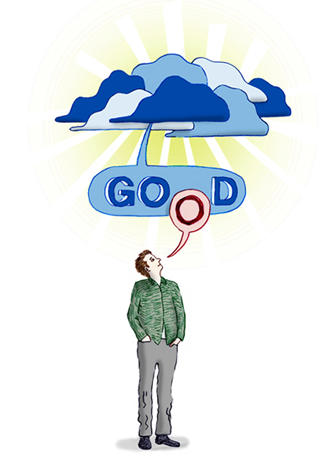
Good minus God - distrust of atheists

Gervais et al offer yet another study on us poor atheists. I follow their abstract with some comments on such studies:
Recent polls indicate that atheists are among the least liked people in areas with religious majorities (i.e., in most of the world). The sociofunctional approach to prejudice, combined with a cultural evolutionary theory of religion's effects on cooperation, suggest that anti-atheist prejudice is particularly motivated by distrust. Consistent with this theoretical framework, a first study using a broad sample of American adults revealed that distrust characterized anti-atheist prejudice but not anti-gay prejudice. In subsequent studies, distrust of atheists generalized even to participants from more liberal, secular populations. In three further studies description of a criminally untrustworthy individual was seen as comparably representative of atheists and rapists but not representative of Christians, Muslims, Jewish people, feminists, or homosexuals. In addition, results were consistent with the hypothesis that the relationship between belief in God and atheist distrust was fully mediated by the belief that people behave better if they feel that God is watching them. In implicit measures, participants strongly associated atheists with distrust, and belief in God was more strongly associated with implicit distrust of atheists than with implicit dislike of atheists. Finally, atheists were systematically socially excluded only in high-trust domains; belief in God, but not authoritarianism, predicted this discriminatory decision-making against atheists in high trust domains. These 6 studies are the first to systematically explore the social psychological underpinnings of anti-atheist prejudice, and converge to indicate the centrality of distrust in this phenomenon.

In the New York Times online Opinionator, Louise Anthony makes some interesting points about such studies. A few brief clips:
I gather that many people believe that atheism implies nihilism — that rejecting God means rejecting morality. A person who denies God, they reason, must be, if not actively evil, at least indifferent to considerations of right and wrong. After all, doesn’t the dictionary list “wicked” as a synonym for “godless?” And isn’t it true, as Dostoevsky said, that “if God is dead, everything is permitted”?

Well, actually — no, it’s not. (And for the record, Dostoevsky never said it was.) Atheism does not entail that anything goes.

We “moralistic atheists” do not see right and wrong as artifacts of a divine protection racket. Rather, we find moral value to be immanent in the natural world, arising from the vulnerabilities of sentient beings and from the capacities of rational beings to recognize and to respond to those vulnerabilities and capacities in others...many theists, like many atheists, believe that moral value is inherent in morally valuable things. Things don’t become morally valuable because God prefers them; God prefers them because they are morally valuable.

Friday, December 23, 2011

Prosocial behavior as intrinsic to our brains in absence of social pressure

Zaki and Mitchell question the evolutionary and economic models assume that humans are fundamentally selfish and perform altruistic behaviors only because of social pressure:
Standard economic and evolutionary models assume that humans are fundamentally selfish. On this view, any acts of prosociality—such as cooperation, giving, and other forms of altruism—result from covert attempts to avoid social injunctions against selfishness. However, even in the absence of social pressure, individuals routinely forego personal gain to share resources with others. Such anomalous giving cannot be accounted for by standard models of social behavior. Recent observations have suggested that, instead, prosocial behavior may reflect an intrinsic value placed on social ideals such as equity and charity. Here, we show that, consistent with this alternative account, making equitable interpersonal decisions engaged neural structures involved in computing subjective value, even when doing so required foregoing material resources. By contrast, making inequitable decisions produced activity in the anterior insula, a region linked to the experience of subjective disutility. Moreover, inequity-related insula response predicted individuals’ unwillingness to make inequitable choices. Together, these data suggest that prosocial behavior is not simply a response to external pressure, but instead represents an intrinsic, and intrinsically social, class of reward.

Thursday, December 22, 2011

Single nucleotide change in oxytocin receptor gene decreases stress relief by social support.

In recent years, the human oxytocin system has been increasingly studied as essential to our prosocial behavior and also buffering stress. One single nucleotide variation in the oxytocin receptor (OXTR) gene named rs53576 (G/A) involves switching between the G and A nucleotides. THe A allel of rs5376 has been associated with lower empathy, reduced reward dependence, lower optimism and self-esteem, and negative affect. Now Chen et al. find a further correlation; individuals with two copies of AA do not show lower cortisol responses to stress after social support. Here is their abstract:
The neuropeptide oxytocin has played an essential role in the regulation of social behavior and attachment throughout mammalian evolution. Because recent studies in humans have shown that oxytocin administration reduces stress responses and increases prosocial behavior, we investigated whether a common single nucleotide polymorphism (rs53576) in the oxytocin receptor gene (OXTR) might interact with stress-protective effects of social support. Salivary cortisol samples and subjective stress ratings were obtained from 194 healthy male participants before, during, and after a standardized psychosocial laboratory stress procedure. Participants were randomly assigned either to prepare alone or to receive social support from their female partner or close female friend while preparing for the stressful task. Differential stress responses between the genotype groups were observed depending on the presence or absence of social support. Only individuals with one or two copies of the G allele of rs53576 showed lower cortisol responses to stress after social support, compared with individuals with the same genotype receiving no social support. These results indicate that genetic variation of the oxytocin system modulates the effectiveness of positive social interaction as a protective buffer against a stressful experience.

Wednesday, December 21, 2011

A face only an investor could love...

Here is a quirky item, a bit of a stretch but curious. Given that psychological traits are thought to relate to effective leadership, Wong et al. ask whether any simple physical traits in a leader might correlate with a firms financial performance. They determined the the face width to height ratio of male leaders of 55 Fortune 500 organizations that formed part of the sample of a larger study examining the relationships among CEO characteristics, top-management-team1 processes, and organizational outcomes between 1996 and 2002:
Researchers have theorized that innate personal traits are related to leadership success. Although links between psychological characteristics and leadership success have been well established, research has yet to identify any objective physical traits of leaders that predict organizational performance. In the research reported here, we identified leaders’ facial structure as a specific physical trait that correlates with organizational performance. Specifically, we found that firms whose male CEOs have wider faces (relative to facial height) achieve superior financial performance. Decision-making dynamics within a firm’s leadership team moderate this effect, such that the relationship between a given CEO’s facial measurements and his firm’s financial performance is stronger in firms with cognitively simple leadership teams.


Figure - Industry-adjusted return on assets (ROA) as a function of the cognitive complexity of firms’ top management teams (TMTs) and CEOs’ facial width-to-height ratio (WHR). The slopes illustrated in this graph were calculated using the minimum (low) and maximum (high) values for cognitive complexity and CEO facial WHR. USD = U.S. dollars.

Tuesday, December 20, 2011

Our mindreading of another person depends on how much skin we see!

This interesting piece in the Journal of Personality and Social Psychology makes observations on how our mindreading, or inferring someone's nature, depends on how much of them we are seeing. From the introduction:
Do people’s mental capacities fundamentally change when they remove a sweater? This seems absurd: How could removing a piece of clothing change one’s capacity for acting or feeling? In six studies, however, we show that taking off a sweater—or otherwise revealing flesh—can significantly change the way a mind is perceived. In this article, we suggest that the kind of mind ascribed to another person depends on the relative salience of his or her body—that the perceived capacity for both pain and planned action depends on whether someone wears a sweater or tank-top.
The abstract:
According to models of objectification, viewing someone as a body induces de-mentalization, stripping away their psychological traits. Here evidence is presented for an alternative account, where a body focus does not diminish the attribution of all mental capacities but, instead, leads perceivers to infer a different kind of mind. Drawing on the distinction in mind perception between agency and experience, it is found that focusing on someone's body reduces perceptions of agency (self-control and action) but increases perceptions of experience (emotion and sensation). These effects were found in three experiments when comparing targets represented by both revealing versus nonrevealing pictures or by simply directing attention toward physical characteristics. In two further experiments he effect of a body focus on mind perception also influenced moral intuitions, with those represented as a body seen to be less morally responsible (i.e., lesser moral agents) but more sensitive to harm (i.e., greater moral patients). These effects suggest that a body focus does not cause objectification per se but, instead, leads to a redistribution of perceived mind.

Monday, December 19, 2011

Why do humans collaborate so much?

Chimpanzees apparently have the cognitive skills needed to be a good collaborator. They recognize and attend to other's goals and understand how to pick an effective cooperative partner. Yet, they collaborate very little. Tomasello and his colleagues have designed an experiment that shows that problem is one of motivation rather than understanding. They presented human children and chimpanzees with a foraging problem that could be solved equally well either individually or collaboratively. Children chose the teamwork option three quarters of the time. Chimps,in contrast, performed at chance levels, indifferent to whether a conspecific worked with them. Here is a description of the setup in Santos' review:
Participants from both species were presented with the opportunity to obtain food from one of two out-of-reach boards. To get food from the first board, participants had to pull a set of ropes on their own to move the food board closer. To access food from the second board, participants had to work collaboratively with a conspecific partner, pulling the set of ropes simultaneously with their partner to access the food. Participants from both species were then given a choice between the two boards: did they want to work with a partner or would they prefer to operate the board by themselves? The authors found a big difference across the two populations. Children preferred to obtain food using the collaborative board, choosing the teamwork option about three quarters of the time. Chimpanzees, in contrast, performed at chance; they were indifferent to whether another conspecific worked with them to solve this problem, suggesting they're not as motivated to seek out opportunities to work together.
To explore the chimps motivation in more detail:
They presented chimpanzees with a similar foraging problem to that of the previous study, but varied the payoffs across the solitary and collaborative boards. In their first study, they observed that chimpanzees show a striking preference to work by themselves when the pay-offs are equated across the two boards. They then changed the pay-off structure in the next study, allowing chimpanzees to earn more food when they worked with a partner. Only when the relative pay-off from the collaborative board was increased did chimpanzees show the kind of preference that children showed for foraging collaboratively. Chimpanzees, it seems, need a little something extra to work in a team; children are motivated to do it for free.

Friday, December 16, 2011

Video at the speed of light.

The N.Y. Times points to extraordinary work that captures the image of a light pulse moving through an object, vastly faster than previous high speed photography. The technique might replace current ultrasound imaging in medical technology with photon imaging.

Taming human conflicts in the real world

Alexander and Christia provide a social psychology experiment that doesn't use Western undergraduate psychology students as subjects! They were provided the opportunity by a natural experiment that resulted from the consolidation of four Mostar high schools into three, yielding corat-majority, bosniac-majority and heterogeneous ethnic compositions. The students participated in economic experiments that pit an individual's self interest against the welfare of other participants. These others sometimes belong to the same ethnic group, and sometimes not, at integrated as well as segregated schools. This allowed the authors to measure the willingness to cooperate with others:
Whereas altruism drives the evolution of human cooperation, ethno-religious diversity has been considered to obstruct it, leading to poverty, corruption, and war. We argue that current research has failed to properly account for the institutional environment and how it affects the role diversity plays. The emergence of thriving, diverse communities throughout human history suggests that diversity does not always lead to cooperation breakdown. We conducted experiments in Mostar, Bosnia-Herzegovina with Catholic Croats and Muslim Bosniaks at a critical historic moment in the city’s postwar history. Using a public goods game, we found that the ability to sanction is key to achieving cooperation in ethno-religiously diverse groups, but that sanctions succeed only in integrated institutional environments and fail in segregated ones. Hence, we show experimentally for the first time in a real-life setting that institutions of integration can unleash human altruism and restore cooperation in the presence of diversity.

Thursday, December 15, 2011

Our biological immune system activates our behavioral immune system.

Viewing disease cues (skin lesions, someone sneezing) leads people to display a heightened biological immune response (for example, stimulated production of cytokine interleukin-6). Miller and Maner now provide evidence for the converse: Activation of the biological immune system promotes activation of the behavioral immune system. Their abstract:
Activation of the behavioral immune system has been shown to promote activation of the biological immune system. The current research tested the hypothesis that activation of the biological immune system (as a result of recent illness) promotes activation of the behavioral immune system. Participants who had recently been ill, and had therefore recently experienced activation of their biological immune system, in one study displayed heightened attention to disfigured individuals, and in a second study showed avoidance — cognitive and behavioral processes reflecting activation of the behavioral immune system. These findings shed light on the interactive nature of biological and psychological mechanisms designed to help people overcome the threat of disease.

Wednesday, December 14, 2011

Heirarchies of empathy in the brain

Following the previous post I thought it would be useful to pass on more of Panskepp's review, which provides a more general description:
There is a growing recognition of how animals respond to the affective states of other animals, including the show of empathy, a state once thought to be unique to primates...A key question concerns the nature of the rats' motivations—the affective and cognitive underpinnings of their “empathy.” ...Future research needs to untangle whether empathic responses in mammals arise more from higher cognitive or lower affective brain functions, or some combination of these (see the figure). Human brain imaging studies of empathy suggest both are involved, especially in coping with the distress of others. But solid neurobiologically based evolutionary evidence, both bottom-up and top-down, is so far lacking.


Figure legend - One concept of how mammalian brains generate empathic responses at different levels is shown. Primary emotional processes, where sources of empathy may arise (i.e., feeling what other organisms are feeling), coordinate with secondary-process learning and memory mechanisms (i.e., knowing what others are feeling). Both of these then interact with higher mental processes, which can exert a variety of top-down influences on the regulation of empathic tendencies (i.e., desires to respond compassionately to others' distress).

The layering of evolutionary progressions is evident in the human brain. The deepest midbrain and hypothalamic regions mediate primary-process, instinctual affects. More recently evolved subcortical regions, among them basal ganglia, amygdala, and nucleus accumbens, help promote higher cognitive activities through learning and memory. Although we currently look to mirror-neuron zones of the neocortex for evidence of the highest mind functions such as compassion, empathic tendencies are surely also promoted by the more ancient primary-process emotional networks that are essential foundations for mental life. For example, a primal form of “empathy” is mothers' exquisite sensitivity to crying babies. Might crying access those systems in mothers' brains that are known to mediate separation anxiety in young animals? Perhaps affective urges for maternal caregiving are triggered as mothers' brains experience psychological pain engendered by their infants' cries. It may be that empathic coordination of social motivations is mediated by emotional resonances among nearby animals, allowing receivers to experience the emotions of transmitters. At such deep affective levels, emotional states may reverberate among animals, with no need for learned rerepresentations arising from mirror neurons. Mammals may have intrinsic abilities to resonate with the pains and joys of nearby others through primal emotional contagion. 

Much deep-brain research remains to be done to understand the degree to which mammalian empathy is achieved more through higher social-cognitive processes or primal affective processes in the brain. Simplified models of empathy, as in mice and rats, offer new inroads for understanding our own social-emotional nature and nurture. Such knowledge may eventually help us promote nurturant behaviors in humans.

Empathy in rats - a great video

Bartal et al. show yet another example of how the kind of empathic concern humans can show for others is already developed in the rat, a much more simple mammal. I pass on the summary of the work in Science, and be sure to watch the really excellent instructional video the authors provide, showing how a free rat overcomes the fear (caused by emotional contagion from a distressed rat trapped in a small plastic box) to open a door to let the trapped rats escape:
Empathy, a well-known characteristic in humans, occurs when an individual is motivated to help another, while maintaining emotional separation. Thus, it is distinct from emotional contagion where an individual begins to experience the emotions of other individuals, and act similarly. Emotional contagion is known to occur in many mammalian species, but empathy has often been considered unique to primates. Through a controlled experiment in captive rats, Ben-Ami Bartal et al. (p. 1427; see the Perspective by Panksepp) show that the biological roots of empathy could be much deeper than recognized. Rats were highly motivated to release a restrained cagemate, even when they were not permitted any immediate contact with it after release. Furthermore, when presented with chocolate, a highly preferred food, the rats were still motivated to release their cagemate and even shared the food with them. Thus, empathically motivated prosocial behavior is not limited to primates, and—like many other behaviors previously thought to be limited to this group—may serve similarly important functions across species.

Tuesday, December 13, 2011

Chemical and social mechanisms of self healing.

Two fascinating recent articles deal with the power we seem to have to heal ourselves by believing that a particular faith, meditation, or procedure (like acupuncture or an effective looking sugar pill) will do the job. An article by Michael Specter in the Dec. 12 issue of the New Yorker describes the work of Ted Kaptchuk, who is director of the Harvard Program in Placebo Studies and the Therapeutic Encounter. The second article, by Nicholas Humphrey, suggests that the placebo effect is the result of a trick that has been played by human culture, and that is can be generalized to explain how we might also be able to alter our 'self-management systems'.

The Specter article gives a nuanced discussion of the complexity and ambiguities of alternative healing treatments. I am amazed that I had not been aware of results of neuroimaging studies that have tracked brain activity in response to either a drug or a placebo as soon as they are taken. One has shown that injection of saline that has been described as a drug can reduce a patient's symptoms of Parkinson's disease and caused in crease in brain dopamine that the disease destroys. A chemical basis of a pain relieving placebo effect was shown in a seminal 1978 experiment in which dental surgery patients who reported their pain was decreased by receiving an injection of saline instead of morphine had Naloxone added to their I.V. drips. Naloxone is a drug developed to counteract overdoses of heroin and morphine by blocking opioid receptors in the central nervous system that are normally acted on by endorphins. Naloxone blocked the placebo pain relief, proving that its chemical basis was most likely due to the actual relief of endorphins in the brain by the power of belief.

It appears that when we think we are receiving a drug that is capable of changing the level of a molecule that our body can manufacture (dopamine or endorphins in the examples just given) our body goes ahead and changes those levels by itself. There is objective chemical evidence that we can "heal ourselves". (The flip side of this is the "Nocebo Effect", in which the suggestion that a procedure is going to be painful actually cause it to be so, or enhance it.)

The Humphrey article looks at the larger context that he suggest enables these phenomena, and the reason that faith healing and medicine could be as effective as they were become they had any rational or scientific basis. Some edited chunks:
...until less than 100 years ago, there was hardly anything a doctor could do that would be effective in any physiological medicinal way—and still the doctor's ministrations often "worked". That's to say, under the influence of what we would today call placebo medicine people came to feel less pain, to experience less fever, their inflammations receded, and so on...I realized it must be the result of a trick that has been played by human culture. The trick isto persuade sick people that they have a "license" to get better, because they'rein the hands of supposed specialists who know what's best for them and can offer practical help and reinforcements. And the reason this works is that it reassures people—subconsciously —that the costs of self-cure will be affordable and that it's safe to let down their guard. So health has improved because of a cultural subterfuge. It's been a pretty remarkable development.
Noting the overwhelming evidence that our character is molded by sub-conscious environmental and cultural cues he continues:
To explain placebos I think we need to invoke the existence of an "evolved health management system". The placebo effect is a particular kind of priming effect. And what I want to do now is to explain a whole range of other priming effects by invoking the existence of an "evolved self-management system".

It makes sense that our brains should have come to play a crucial part in the top-down management of bodily health. As I see it, what the health management system has evolved to do is to perform a kind of economic analysis of what the opportunities and the costs of cure will be: what resources we've got in reserve, how dangerous the situation is right now, what predictions we can make of what the future holds...So now, where does the placebo effect fit in? Placebos work because they suggest to people that the picture is rosier than it really is. Just like the artificial summer light cycle for the hamster - which causes them to mount a more massive and effective immune response to infection, because it is not as important to conserve resources in the summer as in the winter - placebos give people fake information that it's safe to cure them. Whereupon they do just that.

This suggests we should see the placebo effect as part of a much larger picture of homeostasis and bodily self-control. But now I'm ready to expand on this much further still. If this is the way humans and animals manage their physical health, there must surely be a similar story to be told about mental health. And if mental health, then—at least with humans—it should apply to personality and character as well. So I've come round to the idea that humans have in fact evolved a full-blown self management system, with the job of managing all their psychological resources put together, so as to optimise the persona they present to the world...our ancestors already had a template for doing these calculations, namely the pre-existing health system. In fact I believe the self management system evolved on the back of the health system. But this new system goes much further than the older one: it's job is to read the local signs and signs and forecast the psychological weather we are heading into, enabling us to prejudge what we can get away with, what's politic, what's expected of us. Not surprisingly, it's turned out to be a very complex system. That's why psychologists working on priming are discovering so many cues, which are relevant to it. For there are of course so many things that are relevant to managing our personal lives and coming across in the most effective and self-promoting ways we can.

Because our circumstances have generally improved in the last ten thousand years, and yet evolutionary catch-up occurs relatively slowly, this means that both systems will have become "out of date" in the way they calculate costs and benefits. At both the health-level and the self-level, there are bound to be things humans could not risk doing in the past that they can risk now.

Placebo medication works by tricking the subject with false information into believing the situation warrants a reduction in pain, for example, or the mounting of an expensive immune response. Yet it's precisely because our environment today is less dangerous than it used to be, that responding to this trick no longer puts us at an unacceptable risk...because the same kind of improvement has occurred in our social lives, the same goes for the risks with managing the self. In the "environment of evolutionary adaptiveness"—the social and physical environment, 100,000-10,000 years ago, in which many of our biological adaptations were laid down—our ancestors lived in very small scale societies, where individuals were monitored all the time by the group, and it was essential to conform to others' expectations...We no longer live in such an oppressive environment. We no longer need to play by the old rules, and rein in our peculiar strengths and idiosyncrasies. We can afford to take risks now we couldn't before...I think it really ought to be possible to devise placebo treatments for the self, which do indeed induce them to come out from their protective shells —and so to emerge as happier, nicer, cleverer, more creative people than they would ever otherwise have dared to be.


Monday, December 12, 2011

Perfecting the not quite perfect

I pass on this interesting item by Peter Stern from the Editor's choice section of Science Magazine:
Even the best musicians make slight errors when playing a rhythm. We find this frailty to be appealing, as evidenced by the fact that computer-generated perfect rhythms are often perceived as sterile or artificial. Having known this phenomenon for a long time, software engineers have added slight rhythmic fluctuations to make computer-generated music sound more human. These fluctuations are usually produced by a random number generator. Hennig et al. have now analyzed the statistical properties of music produced by professional musicians. They found that there are long-range fluctuations when humans produce all sorts of rhythms. A small rhythmic fluctuation at some point in time not only influenced fluctuations shortly thereafter, but even after tens of seconds. When given the choice, listeners clearly preferred music produced according to these criteria over the random number-generated fluctuations. The authors conclude that these results may not only have practical implications such as improved techniques for audio editing and humanizing music, but they may also provide new insights into the neurophysiology of time perception and timing of actions.
Here is the Hennig et al. abstract:
Although human musical performances represent one of the most valuable achievements of mankind, the best musicians perform imperfectly. Musical rhythms are not entirely accurate and thus inevitably deviate from the ideal beat pattern. Nevertheless, computer generated perfect beat patterns are frequently devalued by listeners due to a perceived lack of human touch. Professional audio editing software therefore offers a humanizing feature which artificially generates rhythmic fluctuations. However, the built-in humanizing units are essentially random number generators producing only simple uncorrelated fluctuations. Here, for the first time, we establish long-range fluctuations as an inevitable natural companion of both simple and complex human rhythmic performances. Moreover, we demonstrate that listeners strongly prefer long-range correlated fluctuations in musical rhythms. Thus, the favorable fluctuation type for humanizing interbeat intervals coincides with the one generically inherent in human musical performances.

Friday, December 09, 2011

REM sleep chills out amygdala, reduces emotional reactivity

van der Helm et al. at Univ. of Cal. Berkeley have done interesting experiments in which 34 adults were randomly assigned to two groups which both performed an emotion reactivity test twice inside a functional magnetic resonance imaging (fMRI) scanner; separated by a 12 hr interval. The tests involved the rating and subsequent rerating of the same standard set of 150 affective picture stimuli. One group slept during the twelve hours interval with REM (rapid eye movement) sleep monitored by EEG, the other group was a control group that stayed awake during the day. Controls were done to eliminate possible time-of-day differences in emotional reactivity, independent of wake or sleep. Here is their abstract:
Clinical evidence suggests a potentially causal interaction between sleep and affective brain function; nearly all mood disorders display co-occurring sleep abnormalities, commonly involving rapid-eye movement (REM) sleep. Building on this clinical evidence, recent neurobiological frameworks have hypothesized a benefit of REM sleep in palliatively decreasing next-day brain reactivity to recent waking emotional experiences. Specifically, the marked suppression of central adrenergic neurotransmitters during REM (commonly implicated in arousal and stress), coupled with activation in amygdala-hippocampal networks that encode salient events, is proposed to (re)process and depotentiate previous affective experiences, decreasing their emotional intensity. In contrast, the failure of such adrenergic reduction during REM sleep has been described in anxiety disorders, indexed by persistent high-frequency electroencephalographic (EEG) activity (greater than 30 Hz); a candidate factor contributing to hyperarousal and exaggerated amygdala reactivity. Despite these neurobiological frameworks, and their predictions, the proposed benefit of REM sleep physiology in depotentiating neural and behavioral responsivity to prior emotional events remains unknown. Here, we demonstrate that REM sleep physiology is associated with an overnight dissipation of amygdala activity in response to previous emotional experiences, altering functional connectivity and reducing next-day subjective emotionality.

How exercise benefits the brain - importance of BNDF

Gretchen Reynolds summarizes several experiments demonstrating that exercise stimulates synthesis of brain derived neurotropic factor (BNDF), which promotes the health and multiplication of brain cells, and apparently also cognitive health. An Irish group has shown that strenuous aerobic exercise on a stationary cycle boosts BNDF levels and also performance on memory tests. A Brazilian group found that after sedentary elderly rats ran for approximately five minutes several days a week for five weeks, BNDF production increased in memory center of their brains. The old, exercised animals then performed almost as well as much younger rats on rodent memory tests. A study at UCLA showed that if adult rats were allowed to run at will for a week, the memory centers of their brains afterward contained more BDNF molecules than those of sedentary rats. Finally a Stanford study found that the normally occurring decay of performance with age in skilled airline pilots was more pronounced in those who carried a common genetic variation that is believed to reduce BDNF activity in their brains.

Thursday, December 08, 2011

Psychopathy correlates with reduced prefrontal connectivity.

Psychopathy, defined as callous and impulsive antisocial behavior, is present in approximately a quarter of adult prison inmates. For many years, it has been known that changes accompanying ventro-medial prefrontal cortex (vmPFC) damage (lack of empathy, irresponsibility, and poor decision making) bear striking resemblance to psychopathic personality traits. Motzkin et al have now used two complementary neuroimaging methods to quantify the structural and functional connectivity of vmPFC in 27 psychopathic and non-psychopathic prison inmates. Their abstract:
Linking psychopathy to a specific brain abnormality could have significant clinical, legal, and scientific implications. Theories on the neurobiological basis of the disorder typically propose dysfunction in a circuit involving ventromedial prefrontal cortex (vmPFC). However, to date there is limited brain imaging data to directly test whether psychopathy may indeed be associated with any structural or functional abnormality within this brain area. In this study, we employ two complementary imaging techniques to assess the structural and functional connectivity of vmPFC in psychopathic and non-psychopathic criminals. Using diffusion tensor imaging, we show that psychopathy is associated with reduced structural integrity in the right uncinate fasciculus, the primary white matter connection between vmPFC and anterior temporal lobe. Using functional magnetic resonance imaging, we show that psychopathy is associated with reduced functional connectivity between vmPFC and amygdala as well as between vmPFC and medial parietal cortex. Together, these data converge to implicate diminished vmPFC connectivity as a characteristic neurobiological feature of psychopathy.

Wednesday, December 07, 2011

Purging senescent cells can prevent some ills of aging.

I've held off on noting some recent work relevant to longevity that has received quite a lot of press, because I increasingly rebel at the enormous amount of effort going into life extension. It is hard, however, to not be interested in experiments that appear relevant to enhancing the quality of a normal life span, so that health and robustness are maintained until a system failure rapidly takes down the whole show. The report by Baker et al. examines cells that have stopped dividing (senescent cells) and hasten aging in the tissues in which they accumulate (like my arthritic knees!) by secreting agents that stimulate low-level inflammation. Barker et al. use a neat genetic trick (not yet available to us humans) to eliminate senescent cells in mice. From Wade's summary:
...senescent cells...reliably switch on a characteristic marker gene known as p16-Ink4a. [Barker et al.]... arranged that the genetic element that switches on the marker gene would also prime a mechanism to make the cell self-destruct. The mechanism fired only when the mice were dosed with a specific drug. The result was that only senescent cells were at risk from the drug...they could be purged at any desired time in the mouse’s lifetime.
Life-long removal of senescent cells delayed the onset of age-related pathologies in fat,skeletal muscle, and eye tissues, and clearance in late life attenuated the progression of these pathologies (such as cataracts). So, it appears that removal of senescent cells can prevent or delay tissue dysfunction and should extend lifespan.

Tuesday, December 06, 2011

Ignoring the bad news...the brain’s rose colored glasses

Dolan and Colleagues have done yet another fascinating piece of work, showing brain activity that correlates with the tendency of people to remain overly optimistic even when faced with information about a gloomy future (optimism bias). This is another example of 'not attending to bad news' (noted in a mindblog post last week as underlying some people having less ability to learn from their mistakes). The Sharot et al. study shows that people are selectively worse at incorporating information about a worse-than-expected future, and describes the learning signals in the brain that correlate with this bias:
Unrealistic optimism is a pervasive human trait that influences domains ranging from personal relationships to politics and finance. How people maintain unrealistic optimism, despite frequently encountering information that challenges those biased beliefs, is unknown. We examined this question and found a marked asymmetry in belief updating. Participants updated their beliefs more in response to information that was better than expected than to information that was worse. This selectivity was mediated by a relative failure to code for errors that should reduce optimism. Distinct regions of the prefrontal cortex tracked estimation errors when those called for positive update, both in individuals who scored high and low on trait optimism. However, highly optimistic individuals exhibited reduced tracking of estimation errors that called for negative update in right inferior prefrontal gyrus. These findings indicate that optimism is tied to a selective update failure and diminished neural coding of undesirable information regarding the future.

Monday, December 05, 2011

A gene that makes you appear to be kinder...

Kogan and colleagues at the Univ. of Toronto have examined some behavioral consequences of variations of the gene that codes for the receptor for the hormone oxytocin, since high levels of oxytocin are believed to make people more sociable. Volunteers (116) were asked to watch 23 brief silent videos that showed people with GG, GA, or AA versions of the gene responding to their partner telling them a story of personal suffering, and rate how kind and trustworthy the person in the video appeared to be. Those with the homozygous GG version of the oxytocin receptor gene were judged to be kinder than those with GA or AA versions, apparently because those with GG variations used significantly more non-verbal empathetic gestures in their storytelling such as smiling and nodding. Here is the abstract:
Individuals who are homozygous for the G allele of the rs53576 SNP of the oxytocin receptor (OXTR) gene tend to be more prosocial than carriers of the A allele. However, little is known about how these differences manifest behaviorally and whether they are readily detectable by outside observers, both critical questions in theoretical accounts of prosociality. In the present study, we used thin-slicing methodology to test the hypotheses that (i) individual differences in rs53576 genotype predict how prosocial observers judge target individuals to be on the basis of brief observations of behavior, and (ii) that variation in targets’ nonverbal displays of affiliative cues would account for these judgment differences. In line with predictions, we found that individuals homozygous for the G allele were judged to be more prosocial than carriers of the A allele. These differences were completely accounted for by variations in the expression of affiliative cues. Thus, individual differences in rs53576 are associated with behavioral manifestations of prosociality, which ultimately guide the judgments others make about the individual.

Friday, December 02, 2011

Why does synesthesia persist in the population?

Brang and Ramachandran do an interesting review of ideas on synesthesia, a condition present in 2%–4% of the population,in which a sensory stimulus presented to one modality elicits concurrent sensations in additional modalities. In two of the most common variants, auditory tones and achromatic (colorless) numbers produce vivid and perceptually salient colors. The authors point out that synesthesia can be associated with a wide variety of conceptual and perceptual benefits, suggesting that the gene(s) involved may have been selected for because of a hidden agenda. They speculate that increasing the range of sensory associations may extend to other systems such as creativity and metaphor (increasing the range of association between words). They point to examples of people with prodigious memories based largely on using synesthetic associations evoked by the items to be memorized.
In addition to facilitating processes in individual sensory modalities, synesthetes also show increased communication between the senses unrelated to their synesthetic experiences, suggesting that benefits from synesthesia generalize to other modalities as well, supporting their ability to process multisensory information. Furthermore, others have argued that synesthesia is the direct result of enhanced communication between the senses as a logical outgrowth of the cross-modality interactions present in all individuals. Taken collectively, these data suggest that synesthesia may be associated with enhanced primary sensory processing as well as the integration between the senses...synesthesia is a highly heritable phenomenon that is associated with numerous benefits to cognitive processing, potentially underscoring a basis for why this condition has survived evolutionary pressures.

Thursday, December 01, 2011

Our brain's fusiform "face" area is about holistic processing of any familiar complex visual input.

As a followup to an older MindBlog post on Chess expertise, I though I would pass on this interesting work from Bilalić et al.
The fusiform face area (FFA) is involved in face perception to such an extent that some claim it is a brain module for faces exclusively. The other possibility is that FFA is modulated by experience in individuation in any visual domain, not only faces. Here we test this latter FFA expertise hypothesis using the game of chess as a domain of investigation. We exploited the characteristic of chess, which features multiple objects forming meaningful spatial relations. In three experiments, we show that FFA activity is related to stimulus properties and not to chess skill directly. In all chess and non-chess tasks, experts' FFA was more activated than that of novices' only when they dealt with naturalistic full-board chess positions. When common spatial relationships formed by chess objects in chess positions were randomly disturbed, FFA was again differentially active only in experts, regardless of the actual task. Our experiments show that FFA contributes to the holistic processing of domain-specific multipart stimuli in chess experts. This suggests that FFA may not only mediate human expertise in face recognition but, supporting the expertise hypothesis, may mediate the automatic holistic processing of any highly familiar multipart visual input.

Wednesday, November 30, 2011

Neural (MRI) correlates of effective learning.

Here is a rather fascinating prospective use of MRI technology - to distinguish people who might become the most effective decision makers after further more extensive training in a specialization such as medical diagnosis. Their basic finding is that high performers' brains achieve better outcomes by attending to informative failures during training, rather than chasing the reward value of successes. From Downar, Bhatt, and Montague:
Accurate associative learning is often hindered by confirmation bias and success-chasing, which together can conspire to produce or solidify false beliefs in the decision-maker. We performed functional magnetic resonance imaging in 35 experienced physicians, while they learned to choose between two treatments in a series of virtual patient encounters. We estimated a learning model for each subject based on their observed behavior and this model divided clearly into high performers and low performers. The high performers showed small, but equal learning rates for both successes (positive outcomes) and failures (no response to the drug). In contrast, low performers showed very large and asymmetric learning rates, learning significantly more from successes than failures; a tendency that led to sub-optimal treatment choices. Consistently with these behavioral findings, high performers showed larger, more sustained BOLD responses to failed vs. successful outcomes in the dorsolateral prefrontal cortex and inferior parietal lobule while low performers displayed the opposite response profile. Furthermore, participants' learning asymmetry correlated with anticipatory activation in the nucleus accumbens at trial onset, well before outcome presentation. Subjects with anticipatory activation in the nucleus accumbens showed more success-chasing during learning. These results suggest that high performers' brains achieve better outcomes by attending to informative failures during training, rather than chasing the reward value of successes. The differential brain activations between high and low performers could potentially be developed into biomarkers to identify efficient learners on novel decision tasks, in medical or other contexts.

Tuesday, November 29, 2011

The speed-accuracy tradeoff in the elderly brain.

Sigh...even more information on my aging brain. The fact that I and other older folks take longer to respond when a task is presented can most charitably be attributed to our being more cautious about making errors, but Forstmann et al. find evidence that this behavior is not entirely voluntary, and can also be related to a decrease in brain connectivity with aging:
Even in the simplest laboratory tasks older adults generally take more time to respond than young adults. One of the reasons for this age-related slowing is that older adults are reluctant to commit errors, a cautious attitude that prompts them to accumulate more information before making a decision. This suggests that age-related slowing may be partly due to unwillingness on behalf of elderly participants to adopt a fast-but-careless setting when asked. We investigate the neuroanatomical and neurocognitive basis of age-related slowing in a perceptual decision-making task where cues instructed young and old participants to respond either quickly or accurately. Mathematical modeling of the behavioral data confirmed that cueing for speed encouraged participants to set low response thresholds, but this was more evident in younger than older participants. Diffusion weighted structural images suggest that the more cautious threshold settings of older participants may be due to a reduction of white matter integrity in corticostriatal tracts that connect the pre-SMA to the striatum. These results are consistent with the striatal account of the speed-accuracy tradeoff according to which an increased emphasis on response speed increases the cortical input to the striatum, resulting in global disinhibition of the cortex. Our findings suggest that the unwillingness of older adults to adopt fast speed-accuracy tradeoff settings may not just reflect a strategic choice that is entirely under voluntary control, but that it may also reflect structural limitations: age-related decrements in brain connectivity.

Monday, November 28, 2011

How not to revert to habit under stress...

A stressful situation can have the effect of making us actually less able to flexibly cope with the issue at hand, because we tend under stress to regress to older habitual responses that may be less appropriate. Observations by Schwabe et al. suggest that we might be able to lessen this behavior by popping an old fashioned pill like propanolol, a β-adrenoceptor antagonist (which has been used for many years by some musicians to quell their performance anxiety). The second abstract below, from Hermans et al. provides a more detailed view of how our brain networks are changing during stress, and how this is attenuated by β-adrenoceptor receptor blockage.
Stress modulates instrumental action in favor of habit processes that encode the association between a response and preceding stimuli and at the expense of goal-directed processes that learn the association between an action and the motivational value of the outcome. Here, we asked whether this stress-induced shift from goal-directed to habit action is dependent on noradrenergic activation and may therefore be blocked by a β-adrenoceptor antagonist. To this end, healthy men and women were administered a placebo or the β-adrenoceptor antagonist propranolol before they underwent a stress or a control procedure. Shortly after the stress or control procedure, participants were trained in two instrumental actions that led to two distinct food outcomes. After training, one of the food outcomes was selectively devalued by feeding participants to satiety with that food. A subsequent extinction test indicated whether instrumental behavior was goal-directed or habitual. As expected, stress after placebo rendered participants' behavior insensitive to the change in the value of the outcome and thus habitual. After propranolol intake, however, stressed participants behaved, same as controls, goal-directed, suggesting that propranolol blocked the stress-induced bias toward habit behavior. Our findings show that the shift from goal-directed to habitual control of instrumental action under stress necessitates noradrenergic activation and could have important clinical implications, particularly for addictive disorders.
And, more detail from Hermans et al., who find in human studies robust stressor-related changes in functional neuronal activity and connectivity within a network of brain areas, which correlate with increased reports of negative emotionality by the participants, as well as with increases of cortisol and alpha amylase in their saliva:
Acute stress shifts the brain into a state that fosters rapid defense mechanisms. Stress-related neuromodulators are thought to trigger this change by altering properties of large-scale neural populations throughout the brain. We investigated this brain-state shift in humans. During exposure to a fear-related acute stressor, responsiveness and interconnectivity within a network including cortical (frontoinsular, dorsal anterior cingulate, inferotemporal, and temporoparietal) and subcortical (amygdala, thalamus, hypothalamus, and midbrain) regions increased as a function of stress response magnitudes. β-adrenergic receptor blockade, but not cortisol synthesis inhibition, diminished this increase. Thus, our findings reveal that noradrenergic activation during acute stress results in prolonged coupling within a distributed network that integrates information exchange between regions involved in autonomic-neuroendocrine control and vigilant attentional reorienting.

Friday, November 25, 2011

A nap enhances relational memory

Lau et al. make the following interesting observations:
It is increasingly evident that sleep strengthens memory. However, it is not clear whether sleep promotes relational memory, resultant of the integration of disparate memory traces into memory networks linked by commonalities. The present study investigates the effect of a daytime nap, immediately after learning or after a delay, on a relational memory task that requires abstraction of general concept from separately learned items. Specifically, participants learned English meanings of Chinese characters with overlapping semantic components called radicals. They were later tested on new characters sharing the same radicals and on explicitly stating the general concepts represented by the radicals. Regardless of whether the nap occurred immediately after learning or after a delay, the nap participants performed better on both tasks. The results suggest that sleep – even as brief as a nap – facilitates the reorganization of discrete memory traces into flexible relational memory networks.

Thursday, November 24, 2011

Brief musical training in kids enhances other high level cognitive skills.

Article like this one from Moreno et al. make me think that my life long piano practice may be part of the reason I'm still hanging onto a few of my mental marbles as I age. (I realized the other day that my sight reading of complex musical scores, which requires glancing several measures ahead of the one being played, and remembering them, is essentially working memory training of the sort that has been shown to enhance general intelligence.) Here is the abstract from Moreno et al:
Researchers have designed training methods that can be used to improve mental health and to test the efficacy of education programs. However, few studies have demonstrated broad transfer from such training to performance on untrained cognitive activities. Here we report the effects of two interactive computerized training programs developed for preschool children: one for music and one for visual art. After only 20 days of training, only children in the music group exhibited enhanced performance on a measure of verbal intelligence, with 90% of the sample showing this improvement. These improvements in verbal intelligence were positively correlated with changes in functional brain plasticity during an executive-function task. Our findings demonstrate that transfer of a high-level cognitive skill is possible in early childhood.

Wednesday, November 23, 2011

Quantitating how positive emotions increase longevity.

Increasing general well-being of citizens is usually taken to be the the goal of government and public policy, and MindBlog has pointed to numerous studies that link positive affect and other measures of well-being with longer survival and reduced risk of diseases in old age. But...how is well-being best measured? Most studies have have mainly relied on assessments of recollected emotional states, in which people are asked to rate their feelings of happiness or well-being in general, either without any time frame or over a specific time period. Psychological research has established that recollected affect may diverge from actual experience because it is influenced by errors in recollection, recall biases, focusing illusions, and salient memory heuristics. Steptoe and Wardle1 address the issue that recollected affect may diverge from actual experience because it is influenced by errors in recollection, recall biases, focusing illusions, and salient memory heuristics. They note that the “memory–experience gap” between life as it is remembered and life as it is experienced may be important to the processes through which the past impacts on future behavior. They address this issue by looking at data aggregating momentary affect assessments over a single day for a large number of individuals:
Links between positive affect (PA) and health have predominantly been investigated by using measures of recollected emotional states. Ecological momentary assessment is regarded as a more precise measure of experienced well-being. We analyzed data from the English Longitudinal Study of Aging, a representative cohort of older men and women living in England. PA was assessed by aggregating momentary assessments over a single day in 3,853 individuals aged 52 to 79 y who were followed up for an average of 5 y. Respondents in the lowest third of PA had a death rate of 7.3%, compared with 4.6% in the medium-PA group and 3.6% in the high-PA group. Cox proportional-hazards regression showed a hazard ratio of 0.498 (95% confidence interval, 0.345–0.721) in the high-PA compared with the low-PA group, adjusted for age and sex. This was attenuated to 0.646 (95% confidence interval, 0.436–0.958) after controlling for demographic factors, negative affect, depressed mood, health indicators, and health behaviors. Negative affect and depressed mood were not related to survival after adjustment for covariates. These findings indicate that experienced PA, even over a single day, has a graded relationship with survival that is not caused by baseline health status or other covariates. Momentary PA may be causally related to survival, or may be a marker of underlying biological, behavioral, or temperamental factors, although reverse causality cannot be conclusively ruled out. The results endorse the value of assessing experienced affect, and the importance of evaluating interventions that promote happiness in older populations.